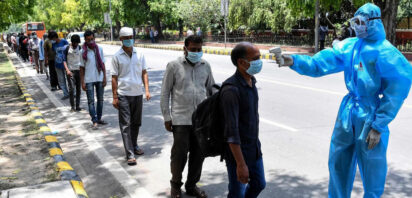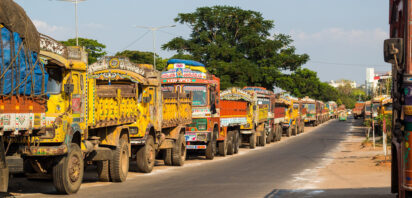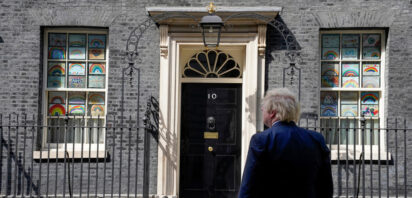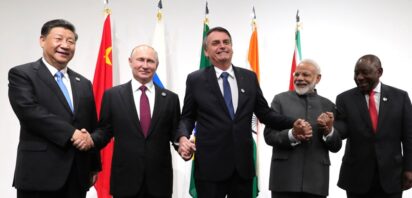
As widely discussed in economic circles, emerging economies face numerous headwinds in the post-COVID era: higher debt loads, harder borrowing terms, gradual and uneven recoveries in key sectors such as tourism, and increased inflationary risks, just to name a few. However, much of these analyses put the cart before the horse by assuming that the worst of the pandemic is already over. India’s raging outbreak proves that this is not the case – and the cautionary examples don’t stop there. Many other emerging economies share India’s pre-second wave vulnerabilities, and in time they too might suffer similarly tragic consequences.
Analysis
Such was the opinion of WHO regional director Hans Kluge this week, who warned that “the situation in India can happen anywhere.”
But what are the conditions putting emerging economies at risk?
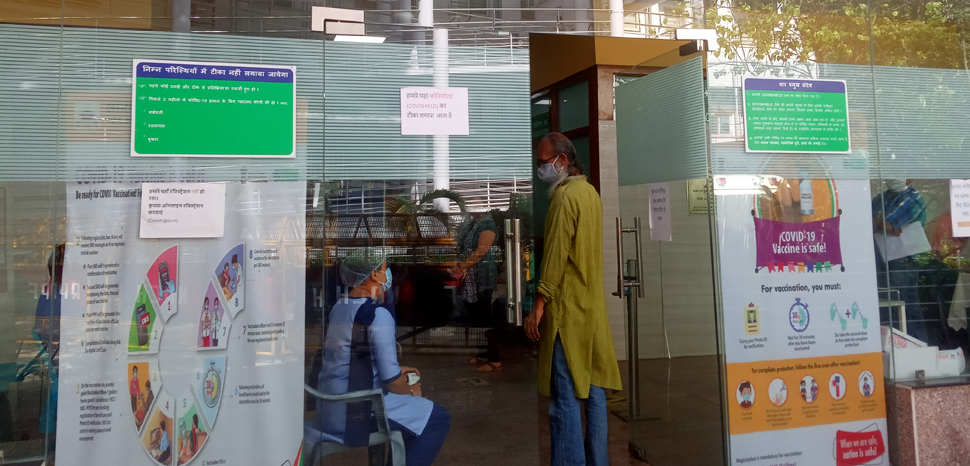
One is low per-capita vaccine coverage. Countries like Israel, the United Kingdom, and the United States have achieved upward to 50% population coverage of at least one vaccine dose, allowing for gradual normalization of economic activity. But these countries are the exception on the world stage. Most states, and especially emerging economies, have far lower per-capita coverage. For example: India (9.4% of the population has received one dose), Indonesia (4.7%), Mexico (9.9%), Bangladesh (3.5%), Colombia (6.9%), Nepal (7.2%), and the list goes on. Vaccinations have yet to be a game-changer for these countries and, more importantly, this situation is unlikely to change in the short-term given ongoing supply shortages.
Another risk factor has been obvious for a while now: political and economic exhaustion. Over a year into the COVID-19 pandemic, populations are either tired of complying to strict public health regulations, or simply unable to comply after a year of economic disruptions to their working lives. Thus we have the familiar urge to ‘return to normal,’ even when it’s disastrous from a public health standpoint. In India’s case, this manifested in the premature easing of restrictions on mass political and religious events, and it’s also behind Delhi’s hesitation to enact a new national lockdown despite over 350,000 new daily cases and a near total collapse of public health infrastructure.