That 2020 has been a harsh year is a now universal dictum, but it’s one that rings particularly true for Brazil.
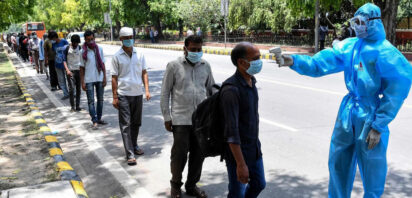
The country’s COVID-19 outbreak has been among the worst in Latin America. The pandemic death toll currently stands at 166,669, and nearly six million cases have been recorded since the outbreak first started – the third highest count in the world behind only India and the United States, and nearly triple the amount of the fourth-highest France. In one bright spot, Brazil has yet to experience a pronounced second wave of the virus and transmission rates dipped below zero in October. Yet this might now be changing as the now-familiar combination of a rising case load and lockdown fatigue threaten to unleash a new wave of transmissions. According to government data, cases have increased by 68% over the past two weeks, and deaths by 53%. And given persistent shortfalls in testing capacity – which is around one-fifth of the United States’ – the real figures are likely much higher.
Since March 26, the Brazilian government has deployed some $150 billion in fiscal stimulus to keep the economy going during the pandemic. The ensuing measures have relaxed various labor regulations in an effort to maintain employment, boosted preexisting welfare outlays like Bolsa Familia, and provided fiscal support to small businesses and banks.
But in the eyes of much of the Brazilian public, it is emergency cash transfers to hardest-hit families that stands out. These transfers alone account for around 4.6% of Brazil’s GDP, or $57 billion as of mid-October. Their impact has been profound, reaching 67.7 million people and even helping over 15 million Brazilians escape from poverty. The payments halved in September and are scheduled to be wrapped up entirely in December.
Unsurprisingly, these measures have proven extremely popular, helping to boost President Bolsonaro’s approval ratings despite his policy failures in containing the virus. Around 40% of Brazil’s voters support the president – up from 30% in June.
Brazil’s COVID-19 stimulus has helped to blunt the most severe economic impacts of the pandemic. But it does so at considerable cost. Among emerging market peers, Brazil has been one of the most profligate in its COVID-related stimulus spending: 8.3% of GDP in total so far, compared to the emerging market average of 4.2% of GDP (in the developed world the average has been 8.6%).
Such massive stimulus outlays have opened a yawning gap in the national budget to the tune of 16.7% of GDP, necessitating a new (and overwhelmingly short-term) borrowing blitz. Brazil’s public debt is projected to reach 100% of GDP this year, up from 76% in 2019.
These debt trajectories suggest that Brazil is fast approaching the end of its rope on fiscal stimulus. Whatever happens next – whether it’s a more severe-than-expected second wave or a gradual return to normalcy as vaccines are administered – there will be far fewer fiscal levers available to the government than in March.