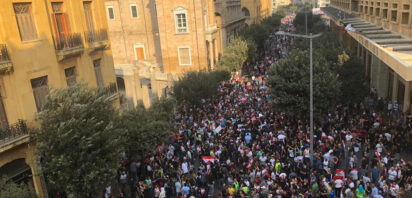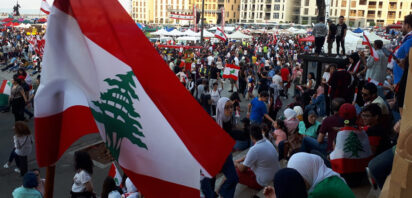
Lebanon is now entering the seventh week of a socio-economic crisis that has brought the country to the brink of financial collapse.
The crisis comprises of two impasses: one between the citizens and the government of Lebanon, and the other between the ruling political elites that form the government. It is fueled by a widespread discontent among Lebanese citizens, and the non-sectarian aspect of the outrage is its distinguishing feature.
On October 17th, approximately a hundred citizens took to streets to protest against a new tax on Whatsapp calls. This marked the beginning of widespread protests, reaching across the normal sectarian divides, and motivated primarily by the country’s stagnant economy, corruption, electricity shortages, deteriorating health sector services and polluted environment. These protests are considered historic because people are questioning the political leaders of their own sects, including Shias too, who had previously largely refrained from openly criticizing their leaders, whether from Hezbollah or the Amal Movement.
Much about the grievances of the Lebanese people and their demands is already reported which has contributed to the elaborate understanding of the present situation in Lebanon and there have been considerable attempts at predicting the next phase of the crisis.
Meanwhile, the protests have only increased in their vigor and reach. Most recently, gas station owners initiated protests to demand a hike in prices, as they are losing money because of the shortage of dollars in the market, and this further led to more protests in Beirut and several areas across the country against the closure of gas stations due to fuel shortages. It was reported in a Lebanese paper that attempts were in progress to contain the situation and as part of those attempts, Minister of Energy in the caretaker government Nada Boustany was negotiating with the owners of gas stations and importing companies on how to share the 15 % due to them under the mechanism set by the Governor of the Banque du Liban. On Friday night, Lebanon’s petrol stations syndicate chief announced that the union would suspend its strike starting that night to hold talks with authorities and added that the syndicate would have a meeting on Monday.
Another key event geared at breaking the impasse was a meeting at Baabda Palace, presided over by President Michael Aoun. The talks were attended by Ministers Ali Hassan Khalil, Salim Jreissati, Mansour Bteish, Adel Afyouni, Governor of the Banque du Liban, Chairman of the Banking Supervision Committee, Chairman of the Association of Banks, Economic Adviser to Prime Minister Hariri, and General Manager Antoine Choucair.
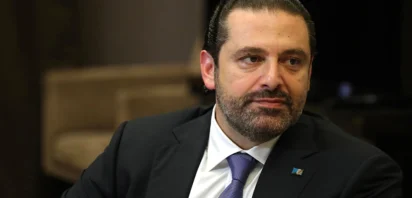
Although the caretaker government is struggling to get back to politics-as-usual, the situation can spiral out of control if not addressed properly, and for that to happen the requirement of the hour is the formation of new government. Everyone in Lebanon knows this and yet it appears far from actually being realized. Several Lebanese media reports have suggested that there are a few names that have emerged as possible successors of prime minister Saad Hariri, and an agreement has begun to coalesce between various political elites regarding what form the government will take.