The new IMF projections on Saudi Arabia’s deficit are slightly disconcerting, with the agency predicting that the budget shortfall will reach 7% of GDP in 2019 – nearly double of what Riyadh is expecting.
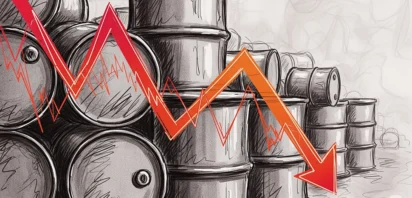
The estimate is based on certain assumptions regarding the oil market, specifically that prices will average around $65.5 a barrel over the course of the year and Saudi output will hover around 10.2 million barrels a day.
Saudi Arabia is currently on pace to export around 10 million bpd in May, which is higher than April levels but still under the 10.3 million bpd quota agreed to at the latest OPEC+ meeting.
Fiscal shocks threaten to undermine the welfare-for-power social contract that holds Saudi politics together, which, given the Kingdom’s importance as an exporter, could produce intense volatility in global energy markets.
Impact
The Saudi government has a high expenditure burden both domestically and, more recently, internationally as well.
The energy sector is a lucrative one and it stands as the central pillar of the Saudi economy. But it doesn’t come close to meeting overall demand for new employment when 50% of the population is under the age of 25. For this, the government has historically turned to the public sector, offering cradle-to-the-grave benefits and secure government jobs as a way to socialize the Kingdom’s oil revenues and ensure political stability under an authoritarian monarchy. Unsurprisingly, this approach has given rise to a sprawling public sector: around 70% of all Saudis work for the government and their salaries and allowances amounted to $128 billion in 2015, or 45% of all government spending.