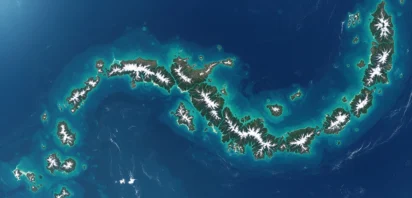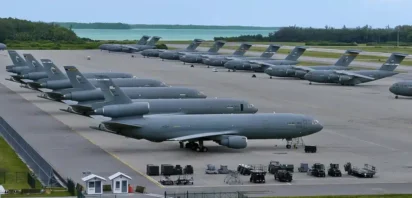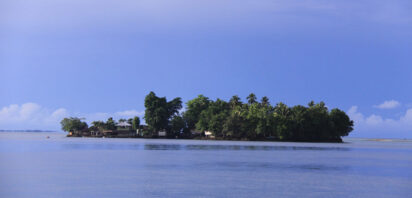
Negotiations are ongoing between Japan and Russia over the Kuril Islands, a territorial dispute that has long been a major obstacle in bilateral relations. Determined to find a common denominator with Russia’s Putin, Prime Minister Shinzo Abe has been banking on shuttle diplomacy, making frequent trips to Russia. These visits, coupled with lucrative economic offers, strive to soften Putin’s unyielding approach to the Kuril dispute. Yet the back-and-forth between the two leaders has failed to produce anything meaningful thus far. In the meantime, Russia continues to benefit from these economic deals, all the while solidifying its military position in the Kuril Islands. Abe on the other hand seeks to score some points for upcoming Diet elections. Nevertheless, the public-at-large and many Japan observers are beginning to take Abe’s “Kuril gamble” with a generous grain of salt. In fact, the latest meeting with Putin once again confirmed the divergent outlooks of Moscow and Tokyo and simply left the status quo intact.
Abe may have succeeded in connecting with Putin on a personal level, but it’s highly unlikely that Russia will sacrifice its strategic position on the Kuril Islands.
Background
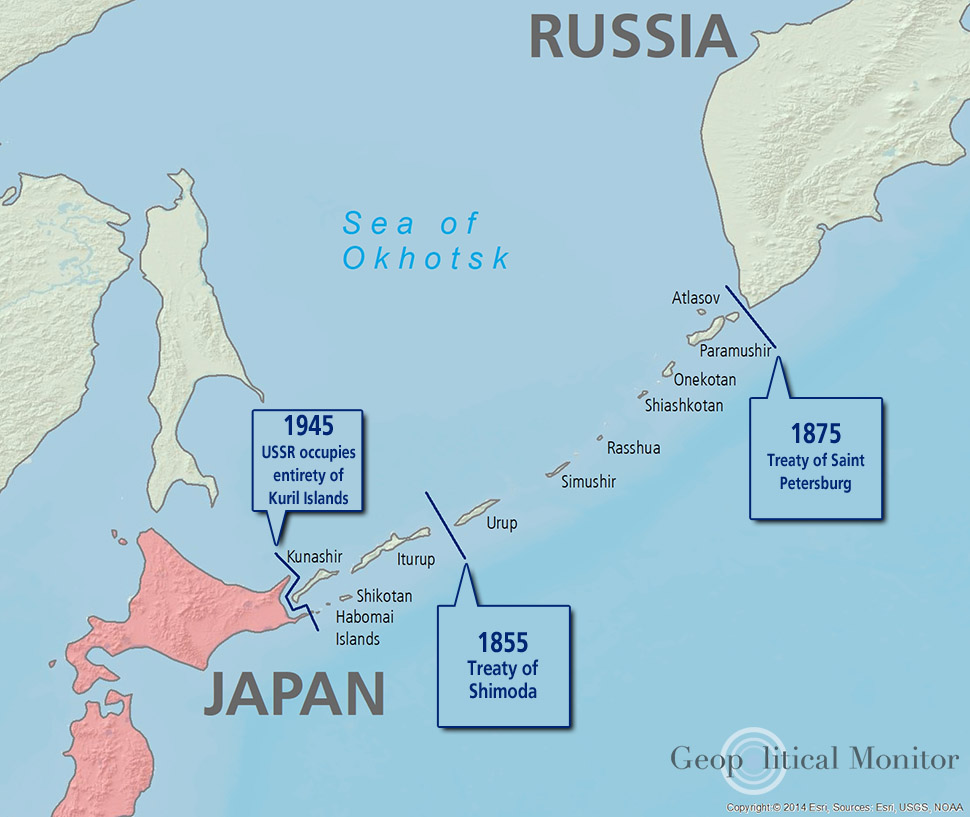
The territorial dispute between Russia and Japan over the Kuril Islands has lingered since the end of World War II, and both countries have engaged extensively to come to a diplomatic solution. Now part of the Sakhalin Oblast, the four islands—Etorofu, Kunashiri, Shikotan, and Habomai—were annexed by Moscow during the Kuril Landing Operation led by Lieutenant General Aleksandr Ksenofontov. The green light for the incorporation of the islands into the Soviet Union was given by the Allies at the Yalta Conference in exchange for Soviet military engagement in the Pacific. To this day, the Japanese still refuse to recognize Russia’s sovereignty over the islands and both nations have struggled to record any major diplomatic breakthroughs. Whether the San Francisco Treaty of 1951, the 1956 Soviet-Japanese Joint Declaration, or former Russian president Boris Yeltsin’s alleged attempts to return the islands to secure Japanese economic assistance, the talks have always been problematic with no substantial progress. The conflict was eventually inherited by current Prime Minister Shinzo Abe, who entered office in 2012 with a zeal to transform the Japanese economy, reform defense policy, and end the dispute with the Russians once and for all.
Impact
Abe began his premiership with ambitious initiatives. His economic policies (known as “Abenomics”) to liberalize the economy did indeed produce some positive results, such as increased annual growth and reduced unemployment. In the realm of security and defense, Abe mimicked the U.S. national security structure by creating Japan’s National Security Council in 2013. One of the primary objectives of creating the agency was to strengthen the prime minister’s role in security policies. Additionally, Abe embarked on a military expansion program which he cleverly dubbed “Proactive Pacifism.” Moreover, appearing at the Center for Strategic and International Studies in Washington, DC in 2013 Abe gave a brief speech outlining Tokyo’s plans to assume greater roles and responsibilities globally. He concluded his speech as follows: “Japan is back. Keep counting on my country.” Most importantly, in 2015 Abe pushed a new law permitting the Japanese military to be deployed for overseas combat missions.
The prime minister also believed that he could mitigate tensions vis-à-vis Russia by pursuing closer economic relations with Moscow. In his calculations, enhanced Tokyo-Moscow cooperation would eventually lead to the diplomatic solution of the Kurils. Following in the footsteps of previous prime ministers, Abe has periodically attempted to lure Russians into attractive deals in the hopes of relaxing the Kremlin’s uncompromising stance on the islands. One such attempt was rewarding Putin with 80 economic deals in 2016, with an estimated worth of $2.5 billion. It is yet to be seen how these generous economic packages help Abe advance his geopolitical objectives.