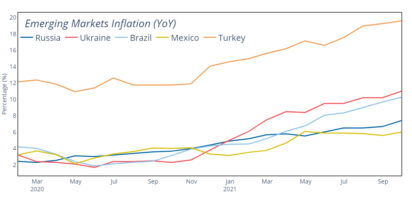
With its onerous short-term debt burden, moribund currency, spiking inflation, and slow-motion monetary policy, Turkey has had its fair share of economic fires to put out over the past year. The most pressing of which has been a currency rout that shed some 40% of the lira’s value against the USD through 2018.
The Turkish central bank finally responded to the rout with a surprise rate hike last week, increasing the benchmark rate from 17.75% to 24%. Whether or not the decision was made by an independent central bank committee or President Erdogan is a matter of speculation.
But a rate hike alone was never going to be enough to revive market confidence given Turkey’s longstanding economic issues. Enter finance minister and presidential son-in-law Berat Albayrak, who earlier this week revealed a package of economic reforms meant to put the Turkish economy back on a healthy track.
Will it be enough? Or is the worst yet to come for one of the world’s most indebted emerging markets?
Impact
What’s in the Albayrak reform package? The announcement essentially amounts to an austerity package for the country, albeit an incredibly vague one. The finance minister has pledged to cut $10 billion in public spending in the near future. The cuts would seem to confirm that the pre-election era of easy money and fast growth is over, and Albayrak has adjusted national growth projections to reflect this new reality. The finance ministry now projects that the economy will grow 3.8% in 2018 and 2.3% in 2019, down from the quixotic 5.5% projections it previously had in place for both years. To contrast, Fitch projects 3.8% growth in 2018 and 1.2% in 2019. Other ratings agencies are predicting that the Turkish economy will enter recession next year.