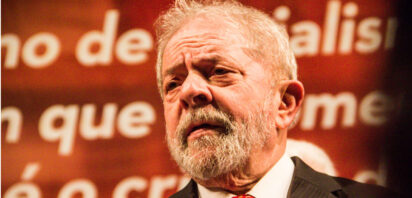
Brazil’s Supreme Court has denied former president Luiz Inacio Lula da Silva’s request to remain free while he appeals his 12-year jail term for corruption. The final judgement was a narrow one, with six of the judges voting in favor and five opposed.
The ruling will put the former president, affectionately known as ‘Lula’ by supporters, behind bars during the run-up to the general election in October, effectively taking him out of the race and denying him the possibility of presidential immunity against prosecution.
The judgement represents the latest setback in the stunning fall-from-grace of one of Brazil’s most loved politicians. Lula presided over a considerable economic expansion during his two terms in office. When he stepped down in 2011, his approval ratings were still in the 80s. Now around 53% of Brazilians want him jailed.
Impact
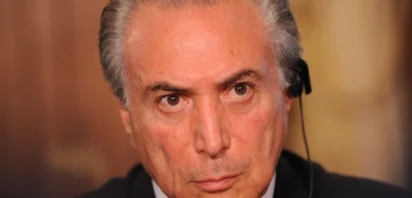
Corruption reigns in Brazil. Brazil has a corruption problem, as evidenced by the ongoing saga of the Lava Jato (“Car Wash”) investigations. But the fate of Lula, and the fate of his hand-picked successor Dilma Rousseff who was impeached in 2016 for manipulating economic data, should not suggest that the system has succeeded in removing a few bad apples. Rather, corruption is endemic in Brazil, and the politicians who are left standing aren’t necessarily the cleanest ones. Current President Michel Temer for example has been consistently implicated in the ongoing Car Wash investigations, and was charged with taking bribes from bosses at the massive meatpacking firm JBS last year. Temer survived the charges, not because he was vindicated by irrefutable evidence, but because he mustered enough support in congress to keep his presidential immunity intact despite the legal proceedings. Should Temer emerge from 2018 polls without immunity, it’s likely that he too will face some kind of judicial reckoning similar to Lula’s.