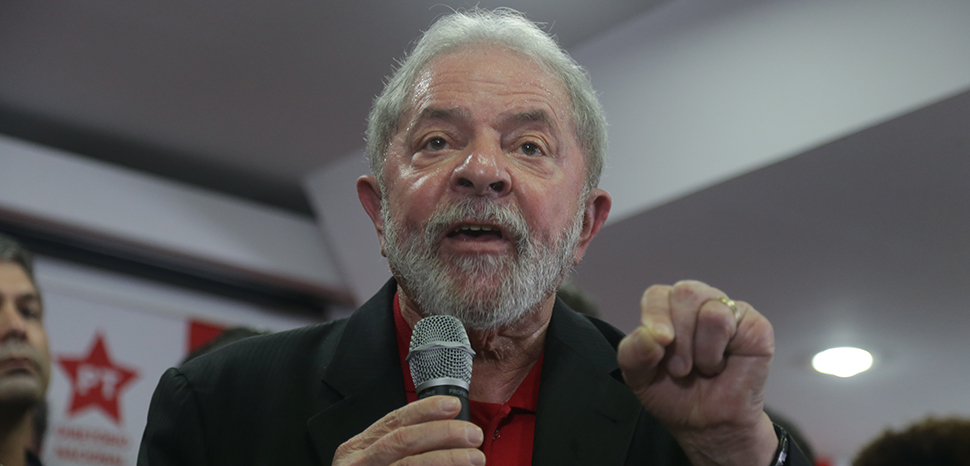
With nearly all of the vote counted, the Workers’ Party’s Luiz Inacio Lula da Silva commands an unassailable lead over incumbent Jair Bolsonaro, 50.9% to 49.10%, representing a difference of over two million votes.
It’s now clear that Lula will ascend for a third term as president; what remains to be seen however, is how Bolsonaro responds to the result. The right-wing president had been raising the spectre of electoral fraud in the lead-up to the polls, and his son went so far as to claim ‘the greatest electoral fraud ever seen’ before counting even began. As of Monday, Bolsonaro has yet to make an official statement or concede, but key allies have signaled that they accept Lula’s victory, even Sergio Moro, the judge-turned-justice-minister who was instrumental in jailing Lula ahead of the 2018 election.
The ultimate result, though decisive for Lula, was closer than many had been expecting, so much so that Bolsonaro and his allies had been pushing to criminalize inaccurate polls after they dramatically understated his electoral support during the first round of the contest.
Economic Issues Abound
Lula takes over a country in the grips of an economic slowdown. Growth is estimated at around 2.7% for 2022, boosted in large part by consumer spending which in turn was being fueled by generous COVID-era income supports introduced by the Bolsonaro administration. The growth outlook for the future, when the macroeconomic effects of these supports have run their course, is markedly less positive, with economists projecting 0.8% growth in 2023.
Mounting levels of consumer debt represent another legacy of the COVID-19 era however, and they will continue to act as a drag on economic growth going forward, particularly so long as interest rates remain elevated. An estimated 70 million Brazilians have been blacklisted by Serasa, Brazil’s leading credit agency. Eduardo Martins of MGC Crediativos believes there is some $1 trillion reais ($192 billion) worth of non-performing loans clogging financial channels. And while targeted government assistance can (and likely will) help mitigate the systemic risk, these debts will go far in precluding the prospect of any post-COVID economic boom and will weigh heavy on a state fiscal outlook that deteriorated sharply amid the pandemic.