Jair Bolsonaro’s 2018 victory was greatly facilitated by a weak field of opponents, many of whom were either tainted by the sprawling Car Wash (Lava Jato) scandal or, like Bolsonaro himself, were relatively unknown entities to the electorate.
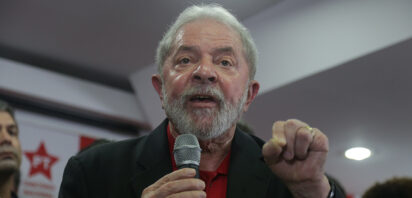
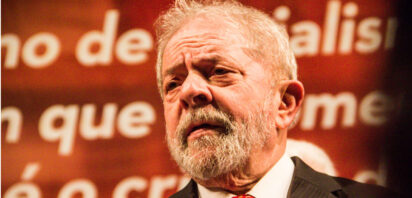
The same won’t be said of the next presidential contest in 2022, as the most recognizable entity in modern Brazilian politics – Luiz Inácio Lula da Silva (‘Lula’) – is now primed to make a comeback.
A presidential run by Lula would infuse a sense of ideological urgency into the election, with the winner defining the character of the Brazilian state for decades to come. And in light of Bolsonaro’s fiery rhetoric and the judicial warfare waged against his political opponents, it also risks stretching Brazil’s democratic institutions to their limit.
Analysis
Lula gets washed
By all indications, Lula would have won the 2018 presidential election. That is, if he wasn’t incarcerated on corruption charges at the time. The ex-president was charged with corruption and money laundering in 2016, and was subsequently found guilty in 2017. His appeals were rejected, and Lula was ultimately legally barred from running as the Workers’ Party candidate despite his sizable lead in the polls.
Lula, ever a divisive figure, comes to symbolize a martyr on the Left and another corrupt elite on the Right.
The plot thickens a few years later, when questions start to swirl around the impartiality of Operation Car Wash – the anti-corruption drive that netted Lula. For one, Sergio Moro, the judge-turned-national- savior that headed the operation, ends up being offered a cabinet position within the Bolsonaro government. Then leaked texts seemed to implicate Moro in coaching state prosecutors and feeding them tips to help land a conviction. The texts single out Lula in particular as a key target.