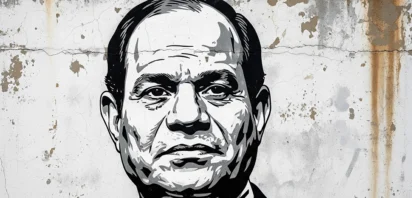
Campaigning has officially commenced in Egypt’s two-horse presidential race, with the incumbent President Abdel Fattah al-Sisi the clear favorite to win. Mousa Mostafa Mousa, the Ghad party leader and Sisi’s sole challenger, only registered at the last possible moment with hours to go before the deadline on candidates expired. Critics have called the election a farce, noting that every other challenger to the Egyptian leader had been arrested or intimidated into dropping out before the race began. Freedom House, a US NGO which tracks the state of global democracy, gave the Sisi regime a lowly 6/7 score on both its political freedom and civil rights records, stating “serious political opposition is virtually nonexistent.” As a result, the election is unlikely to see any serious discussion about the longstanding economic problems facing the country, which Mr Sisi has only partially addressed since coming to power in a military coup in 2013. Indeed, Mr Mousa’s pro-government Ghad party had been collecting signatures in support of Sisi’s candidacy until 20 January.
Impact
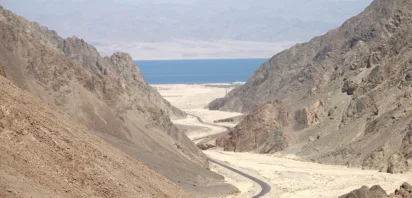
President Sisi’s record in office. Unlike the previous elections in 2014, when Sisi swept to power with 96.91 percent of the vote (albeit on a turnout of only 47 percent), the strongman now has a record upon which to be judged. Back then he promised Egyptians a brighter future (and had just bloodily suppressed Islamist protests against his rule), insisting that hard work itself would cure Egypt of its economic problems. Today Egypt is gripped by violent rebellion against the state, from an Islamic State insurgency based primarily in the neglected Sinai region and a welter of other Islamist factions (some of which are splinters of the outlawed Muslim Brotherhood party whose president Sisi overthrew in 2013). Nor has the economy grown as fast as it needs to in order to keep up with Egypt’s expanding population, though it has turned a corner since Mr Sisi came to power, and economic predictions for 2018 have generally been favorable.
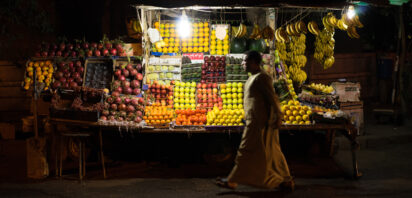
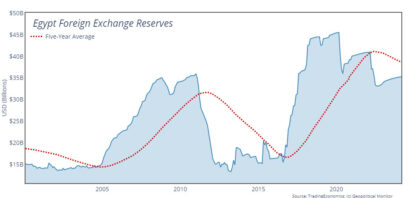
All about the economy. Economic stagnation helped overthrow both of Egypt’s last two presidents, so President Sisi has been under considerable domestic and international pressure to reform the country’s state-led (read: cronyistic and corrupt) capitalist economy. Despite investor uncertainty regarding the upcoming presidential elections (though not their outcome), Egypt is bucking an Arab trend this year by continuing to reform itself according to the free market tenants favored by the IMF. Unlike other autocratic states in the region, the Egyptian leader currently has a window of opportunity to slash subsidies and cut government staffing costs in the state-dominated economy, thanks to protest fatigue among ordinary Egyptians after years of social and economic chaos since 2011.