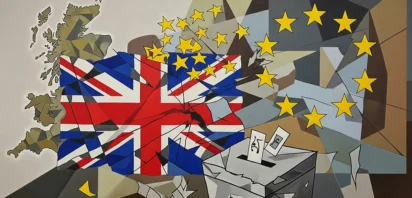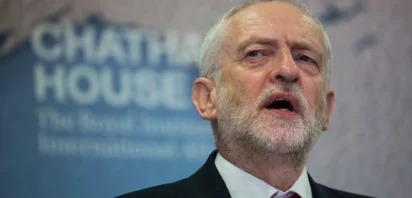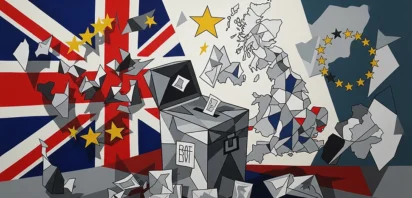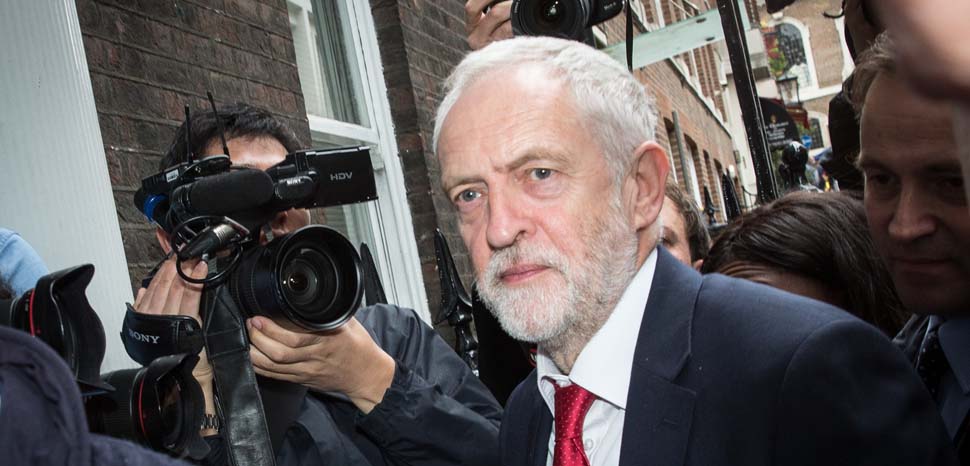
The UK is scheduled to drop out of the European Union on Friday 29 March, 2019. In theory this fixed departure date is then set to be followed by a further two-year transition period to allow time for post-Brexit relations to settle between the UK and its former partners on the Continent. The idea is to allow time for businesses and others to prepare for the moment when the new post-Brexit rules kick in. However, the two sides still disagree on how long that transition period should be (during the transition, regulations and customs procedures will remain more-or-less the same as when the UK was an EU member). The EU is pushing for a shorter period than two years, one that ends in December 2020, and the UK government hopes for a slightly longer period lasting into the first few months of 2021. Some factions within the UK remain committed to reversing Brexit, but for now, the focus of mainstream politicians is squarely on the question of a ‘hard Brexit’ (outside the customs union) or a ‘soft Brexit’ (inside the customs union), with Labor leader Jeremy Corbyn recently voicing his support for the latter option.
Impact
- What’s left to be agreed upon. In theory, the key terms of the Brexit ‘divorce’ between the EU and the UK have already been agreed. These issues include the questions of how much money the UK owes the EU when it leaves; what will happen to the citizens of each party inside the other’s territory; and how to deal with the border between EU member Ireland and the British province of Northern Ireland. However, there’s still a lot of work to do at the negotiating table, and much of it boils down to the wax and wane of UK domestic politics. Talks on how long the transitional period will be and how it will be implemented are now beginning, and the EU has already published its list of demands on the subject. Brussels wants business to continue ‘as normal,’ with the exception that after 29 March 2019, the UK would no longer be allowed a voice on EU policies and regulations, even though it would have to abide by them until the end of the transitional period.