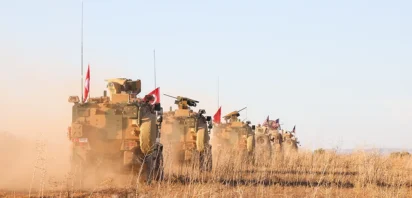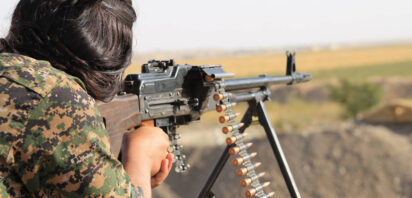
Some of Ankara’s recent actions might seem puzzling to the casual observer. Why, for example, is there a line of idle Turkish tanks overlooking one of the major fronts in the war against Islamic State? And more recently: Why have the Turkish authorities decided to jeopardize a long-running peace process and launch attacks on the Kurdistan Workers Party (PKK), when it’s trying to help the Democratic Union Party (PYD) keep Kobane from being overrun by Islamic State?
The answers lie in Turkey’s long-term strategic interests, or rather how they’re currently perceived in Ankara.
Paramount among these interests is a desire to maintain the territorial integrity of the Turkish state. The Turkish government has been grappling with an insurgency for the past three decades, against a PKK seeking greater autonomy for Turkey’s Kurdish population. This fight resulted in anywhere from 30,000-40,000 deaths before finally coming to an ostensible end with a ceasefire in March 2013. A tenuous negotiation process has allowed for calm ever since – at least until earlier this week.
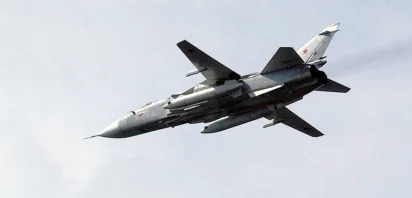
The Turkish government launched air strikes against PKK positions in southeastern Turkey on Tuesday. In terms of official justification, Ankara claimed that the strikes were in response to a local PKK attack on a Turkish military outpost. It’s far more likely that the strikes had something to do with the wave of protests that swept through southeastern Turkey last week, resulting in 31 deaths and over 360 injuries. Protestors were responding to Turkey’s inactivity on Kobane.
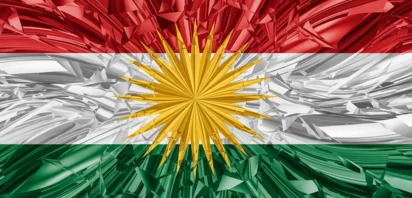
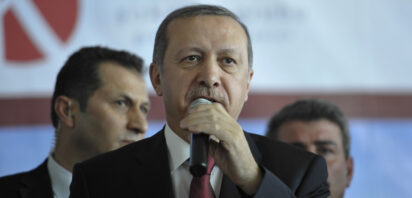
The Erdogan government is uncomfortable with how the situation in Syria and Iraq has been unfolding, particularly with regards to the Kurdish question (The PKK in Turkey, PYD in Syria, and the Kurdistan Democratic Party in Iraq have increasingly all had a common struggle around which to unite and shelve their differences). Events on the ground have cast the Kurds as protagonist in the fight against Islamic State, the only reliable proxy with which the United States can coordinate a campaign of air strikes, and this has cast a positive light on all the disparate factions of the Kurdish nationalist movement.