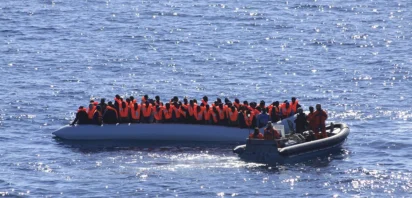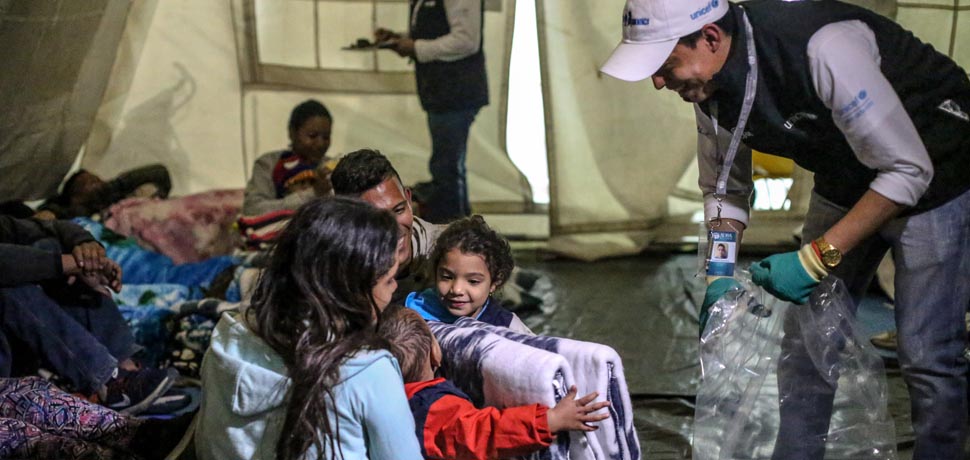
The migrant exodus from Venezuela is fueling new political and economic risks in neighboring countries.
The latest estimate from the UNHCR puts the number of refugees at 3.4 million, or approx. 10% of Venezuela’s population. That’s an increase of 400,000 from the last official tally in November 2018.
Over the course of 2018, an average of 5,000 people left the country every day.
The vast majority of these migrants have made their way to neighboring countries. Colombia is currently hosting the most refugees, with over 1.1 million, followed by Peru (506k), Chile (288k), Ecuador (221k), Argentina (130k), and Brazil (96k).
Though Latin American countries have for the most part welcome the displaced and attempted to provide for them whenever possible, the scale of the inflows are overwhelming local communities and fueling new economic and social tensions.
Impact
Colombia
Colombia is now home to over one million displaced Venezuelans, and the migrant crisis comes at a particularly vulnerable time as the Farc peace process hangs in the balance. If current migration trends continue, the Colombian government projects that some four million Venezuelans could be living in the country by 2021, at a total cost of nearly $9 billion.
The Farc peace process was upturned recently by President Ivan Duque’s decision to veto parts of the law governing special tribunals, effectively annulling a section of the peace accord that had already been agreed upon and was already in the process of being implemented. The veto targeted provisions meant to streamline the judicial reconciliation process. Now the bill will have to go back to Congress, and if survives a vote it is still expected to be struck down by the Supreme Court.
An official Farc statement has called the move “an incitement to war.”