The complex dynamics of Turkey’s geographical position and cultural uniqueness have always defied easy explanation. But in the decade since Tayip Erdogan and his Justice and Development Party (AKP) were first elected, change within Turkey and between Turkey and the world has erupted in a number of different directions. Consequently, the word “enigmatic” is perhaps the best way to describe Turkey’s foreign policy over the past ten years.
Turkish society has shown conflicting signs of drift towards East and West under Ergodan’s rule. On one hand, we witness continued restrictions on press freedoms, trumped-up charges against rivals in the secular defense establishment, and a slow but deliberate injection of political Islam into the primary educational system. On the other, there is the 2010 Constitutional package that elevated an independent judiciary, encouraged freedom of association, and was designed to promote Turkey’s EU bid, albeit without success. One day Erdogan makes a personal apology to the Kurds for historic wrongs, the next day the Turkish army increases operations against the PKK in Northern Iraq, and Erdogan bristles at French and American recognition of the Armenian genocide.
Given these apparent contradictions, two common themes emerge in a survey of the literature that attempts to explain Turkish behaviour, as evidenced in a December 2010 episode of TV Ontario’s “The Agenda”. One school, led by scholars such as Daniel Pipes, considers that Turkey has gone “rogue”, shifted to Iran and is now bent on the destruction of the secular republic founded in 1923 by Kamal Ataturk. Pipes argues that Turkey can no longer be trusted by NATO and should be expelled from the alliance. The other school of thought represented by Janice Stein of U of T, maintains that Turkey’s “swings” are natural and manageable bumps on the road of a journey towards modernization, democratization, and constitutionalism. New forces unleashed vie for influence in a spirited pluralism.
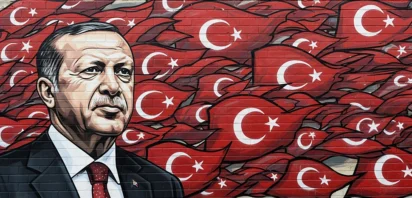
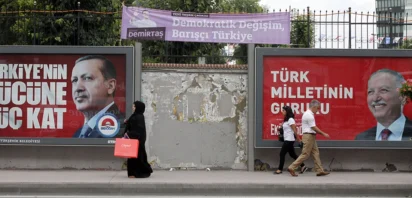
A third school of thought – less credible in traditional Realist frameworks of analysis but nonetheless evident in observation of Erdogan and the pendulum that is now Turkish foreign policy – is that Turkey is more and more Mr. Erdogan’s country. Its fluctuations reflect the Prime Minister’s ego and mercurial temperament more than is allowed in “serious” analytical frameworks. In particular, Erdogan’s neo-Ottoman ambitions are merged with personal character traits where pride and honour sometimes overcome traditional state interests. In short, Mr. Erdogan bristles when he feels slighted, basks in the glory of praise, and this seems to affect his policy decisions.
Since neither Stein nor Pipes’ approaches can explain past behavior nor predict current outcomes with confidence, a framework based on leadership psychology deserves closer examination.
The Economist first offered this explanation in its assessment of Turkish-Syrian relations. Puzzled as to why Ankara demonstrated such patience for Bashar Assad’s crackdown and the resultant destabilization of Turkey’s southern border, The Economist concluded that the irreparable break between Erdogan and Assad didn’t occur until the former had the belated revelation that the latter chose not to heed his advice. It wasn’t Assad’s repression per se that produced a fit of pique in Erdogan and his barb that “Assad would end up like Qaddafi.” No, it was Assad’s apparent refusal to heed Erdogan’s personal advice to reform that led to Erdogan’s contempt for his former friend. Still, most in Syrian opposition see more bluster than action in Erdogan. Apart from support for Syrian refugees, Turkey has not acted against the Assad regime. Erdogan’s “zero problems” policy is in tatters and the moment for Turkey to assume leadership of the Arab Spring seems lost.