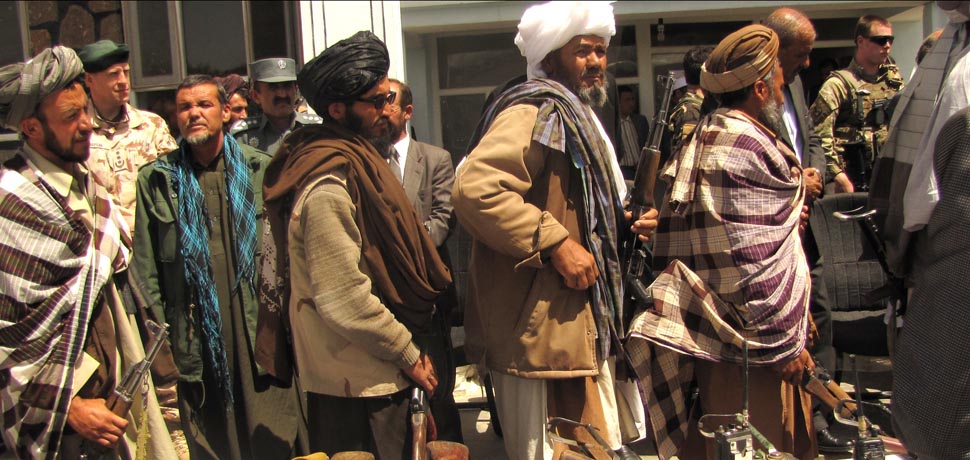
US and Taliban negotiators have agreed to a framework deal according to US chief negotiator Zalmay Khalilzad.
News of the framework deal is undoubtedly a positive sign as Washington looks to the exits after 17 years of war, casualties, and profligate expenditures. Yet it’s way too early for anyone to be celebrating the news. Only time will tell whether peace can be achieved, and historical precedents have not been favorable for the withdrawing power.
Here’s what we know so far, and what we can expect from a final deal:
Impact
First, an uncomfortable truth for the Americans: Washington has little leverage in these negotiations. Not only do the Taliban control or threaten large swathes of the country (70% going by one early 2018 estimate), but US negotiators had to drop their longstanding precondition of the Taliban negotiating with Kabul to even get these latest talks rolling.
In other words, the very first step of the negotiating process was a significant capitulation by the United States.
On the other side of the table, the Taliban enjoy a position of strength. They control extensive territory, they know that the US military will leave sooner or later (and the departure now appears to be fast approaching), and they’ve demonstrated a capacity to inflict carnage on the Afghan security forces – even when some 15,000 US troops remain in the country. While attending the World Economic Forum last week, Afghan President Ashraf Ghani revealed that over 45,000 members of the Afghan security forces have been killed since he became president in 2014, a rate that averages to around 30 deaths per day.