
United Nations News & Analysis
Indus Waters Treaty, and India-Pakistan Ties: A Year after Pahalgam

With one of the most important cross-border water-sharing treaties ever signed still on hold, what are the chances that Islamabad and New Delhi open talks on the Indus Waters Treaty, and what forum could help bring about a new diplomatic dialogue?
The Global Water Governance Gap Is Becoming Untenable

Water is no longer a local or technical issue. It is a question of global stability, and the world's institutions need to start treating it as one.
Syrian Refugee Returns After Assad: Political Imperatives and Humanitarian Realities

Examining Syrian refugee populations in neighboring countries and the European Union, as well as the challenges faced by host governments and the al-Sharaa regime in inducing them to return and help rebuild a country devastated by civil war.
Crisis in Hormuz Exposes Fragility of the Rules-Based Order

The Hormuz crisis is pushing the global system to the brink, exposing not only geopolitical fault lines but the moral contradictions embedded in the international order itself.
Rohingya at the Hague: Turning Point for International Justice

The Court in The Hague can issue judgments, but the world must decide whether they matter.
When America Walks Away, Asia Feels the Shockwaves

What happens when the principal architect of the post-war order begins quietly dismantling the scaffolding it once built?
Enter the GONGOs: How State-backed NGOs Fuel Geopolitical Tensions

GONGOs – state-backed or state-friendly NGOs – are increasingly influential in UN mechanisms, drowning out legitimate human rights voices and fueling geopolitical tensions in Europe and beyond.
Cambodia Signs High Seas Treaty: Small Coastline, Big Message

Cambodia’s signing of the High Seas Treaty sends a strong message that ocean conservation is not the exclusive domain of coastal giants.
South Sudan Poised for Return to Civil War
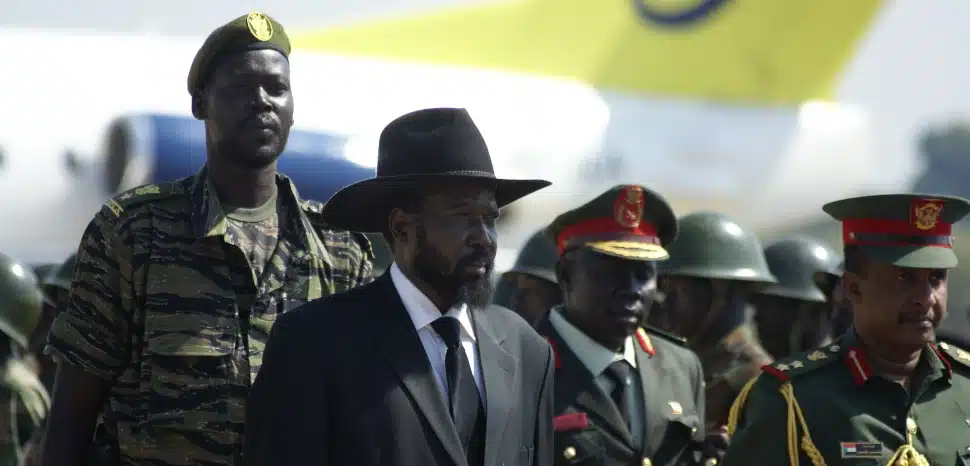
There are alarming signs that history is about to repeat as domestic political factions position themselves for a return to civil conflict in South Sudan.
The United Nations, Ukraine, and the Crumbling Pillars of Global Order

Global geopolitics are being remade in real time by the Trump administration, and the lessons aren’t lost on longtime US allies in the Asia-Pacific.
What Drives US Opposition to the Law of the Sea Treaty?
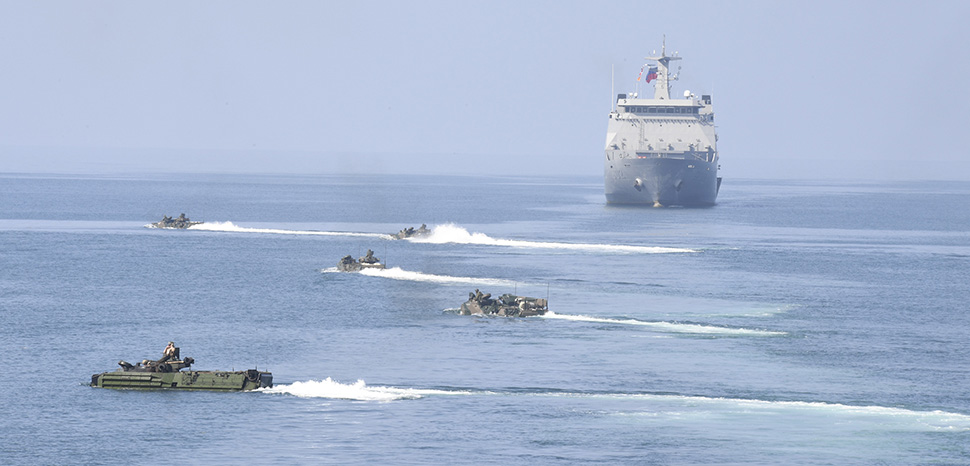
Exploring the reasons why Washington remains on the outside looking in on one of the United Nation’s most successful global standards.
The UN’s Public Communication Is Broken
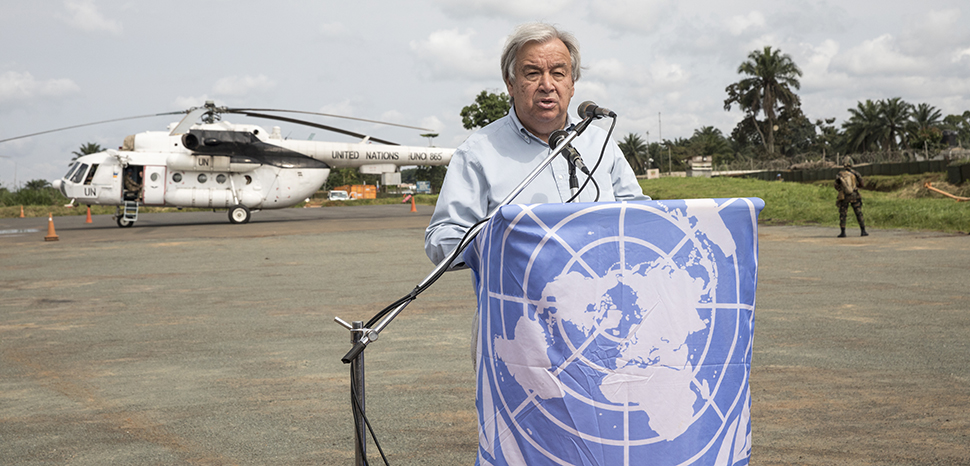
Tasked with a growing list of global crises, the UN must get serious about communicating its results before donors start to lose patience.
Gaza, Ukraine Wars Push UN Towards Its Tipping Point
The Gaza and Ukraine wars are compounding institutional inertia at the United Nations and further highlighting the need for sweeping reforms.
CARICOM’s Evolving Foreign Policy Thinking on the Ukraine War
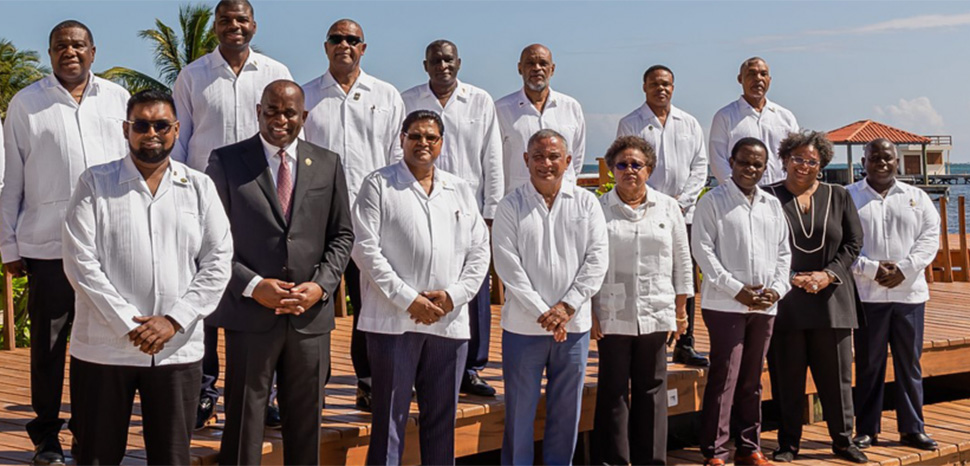
While the bloc initially viewed this conflict through a security lens, economic necessity has since compelled a foreign policy refocus.
Outlook 2021: The Year in Drought
Tracking the most vulnerable and food-insecure regions in the year ahead.
What’s Behind the Recent Arrests of Cambodian Activists?

Exploring the forces driving a recent crackdown against opposition figures in Cambodia.
Leadership for Thought: Non-Permanent Members Leading the Security Council through COVID-19
Amid deadlock at the highest levels of the UN, it’s the smaller, non-permanent members of the UNSC which now have an opportunity to take a more proactive role.
COVID-19 Is a Test of Multilateralism
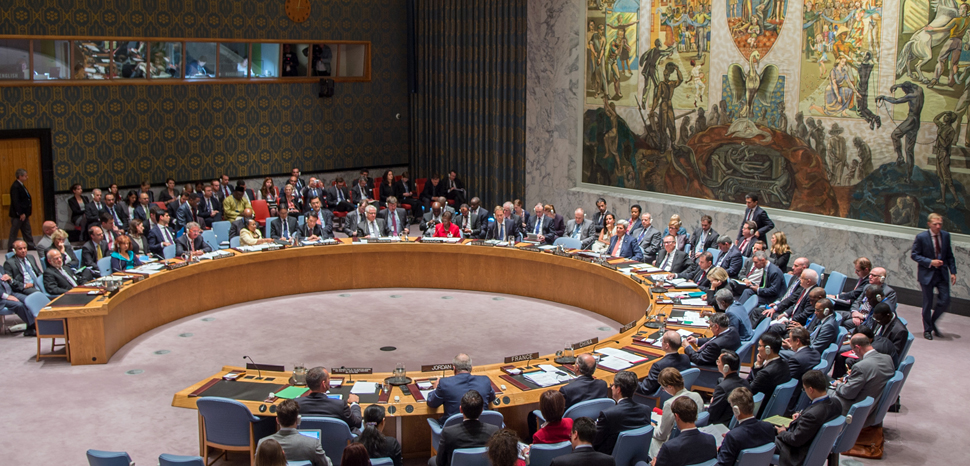
And so far the United Nations Security Council has failed to rise to the challenge.
COVID-19: Time to Rethink International Peace & Security
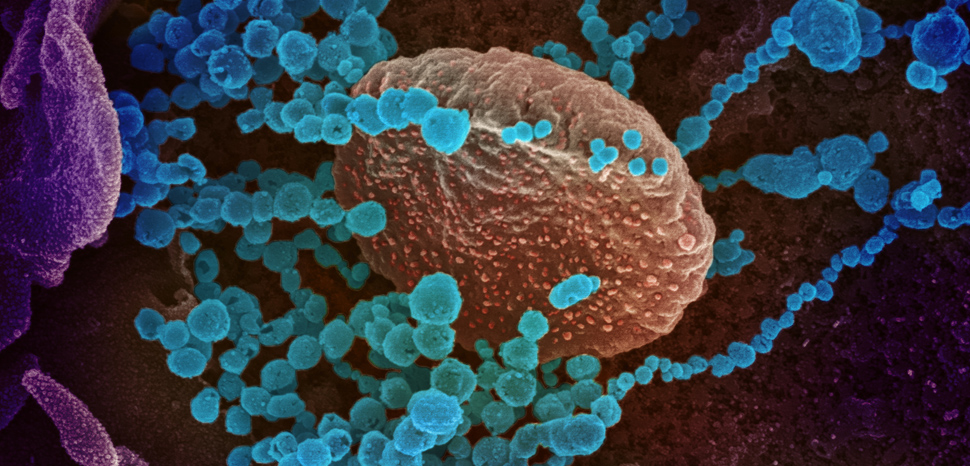
In a world ravaged by COVID-19, multilateralism is the only path leading back to global prosperity.
The Case for Centrism in the Post COVID-19 New Normal
Few alternatives exist for the systems that power modern human society. But that doesn’t mean these systems can’t be vastly improved in the post COVID-19 new normal.