
Semiconductors News & Analysis
The Strait of Malacca Is Malaysia’s Industrial Spine

Malacca doesn’t just provide Malaysia with geographic relevance. It also represents industrial opportunity, but only if Kuala Lumpur moves to take advantage of it.
AI with Chinese Characteristics

What does victory for Beijing in the US-China AI competition look like? Tighter control for the CCP at home and elevated criminal, military, censorship, and data security risks abroad.
Defense Industry Is the Missing Link in EU Semiconductor Sovereignty

Strategic autonomy in defense cannot exist without autonomy in semiconductors. Europe has begun to recognize this link. The question now is whether Brussels will act with the scale and urgency required to keep pace with global competitors.
East Asia Semiconductors Will Decide the Next US-China Arms Race

AI-powered military technologies can tilt the balance of power in the US-China rivalry. In this fight, victory is measured in access and supply chain resilience, and no region is more important than East Asia.
Era of Strongman Diplomacy: Lam’s Ascent Reshapes US–Vietnam Ties

In an era of strongman diplomacy, To Lam’s Vietnam is not tilting toward Washington or Beijing. It is positioning itself to bargain with both — from a position of consolidated strength.
ASEAN’s 2026 Bottleneck: Policy Shocks and Power Limits

The defining risk for Southeast Asia in 2026 is not simply “geopolitics.” It is policy volatility, and it is arriving in tandem with an older, less glamorous constraint: energy infrastructure.
Taiwan Searches for Economic Allies in a Divided World

Taiwan’s drive to diversify international partners reflects the tightrope that middle powers must navigate amidst growing great power competition. In this, the Canada-Taiwan economic cooperation framework can serve as an instructive case for Taipei.
Taiwan in US Strategic Perspective: Lynchpin of the Indo-Pacific

Taiwan has become a locus of geopolitics, global economic stability, and ideology in the post-Cold War era. This series explores why this small island looms so large in the strategic thinking of Pacific powers, starting with the United States.
The Global AI Rules Race: China’s Strategic Response to US Tech Dominance

The battle over governance, in terms of who sets the rules, norms, and standards, could prove decisive in shaping not just the future of AI, but the global balance of power.
Raising the Stakes: Semiconductors in the Age of Trump

Recent moves by the Trump administration underscore how semiconductors have become inseparable from industrial policy, both in the United States and across the G20.
Taiwan and South Korea: Bridging the Cybersecurity Gap

Facing a shared risk from cyberattacks in ever increasing numbers and sophistication, a golden opportunity exists for Taiwan and South Korea to come together and cooperate on cybersecurity.
From Minerals to Microchips: What Taiwan Can Learn from Ukraine

The world depends on Taiwan’s semiconductors, but Taiwan’s survival must depend on more than just faith in external intervention.
The Limits of Free Trade: US-China Tensions over Electric Vehicle Sector

Mounting US-China trade tensions over electric vehicles illustrates the policy trade-offs between national security, competitiveness, and environmental protection.
Taiwan’s Missing Voice at the UN’s Future Summit

Can the UN Summit for the Future hope to advance equitable technological development when the party responsible for some 90% of the global computer chip market is absent?
CHIPS Act Wins the Battle, But Not the Semiconductor War

The CHIPS Act buys time for the US semiconductor industry. But if Washington and other Western allies desire a lasting victory, they will have to beat Beijing at its own game.
China’s Export Ban on Semiconductor Inputs
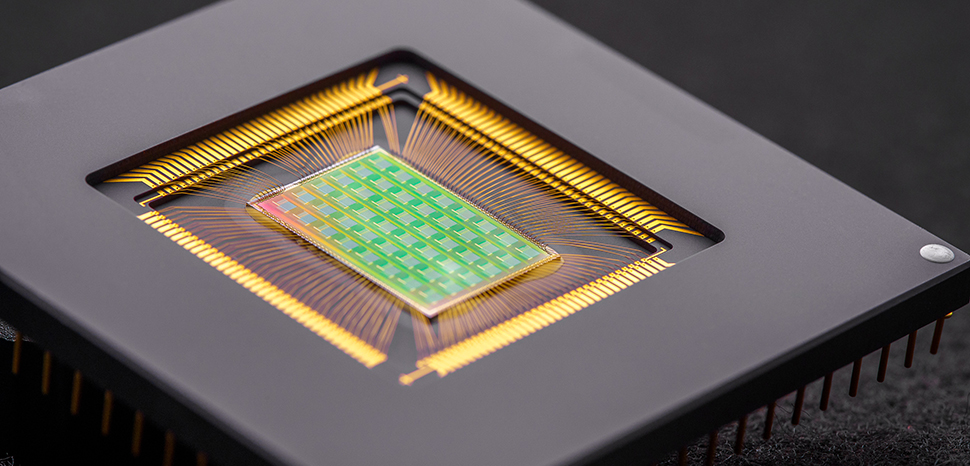
China's restrictions on gallium and germanium exports threaten to impact the wider global semiconductor industry.
US-China Decoupling: A Double-Edged Sword for South Korea

The South Korean chip industry is caught in the middle of an intensifying US-China trade war.