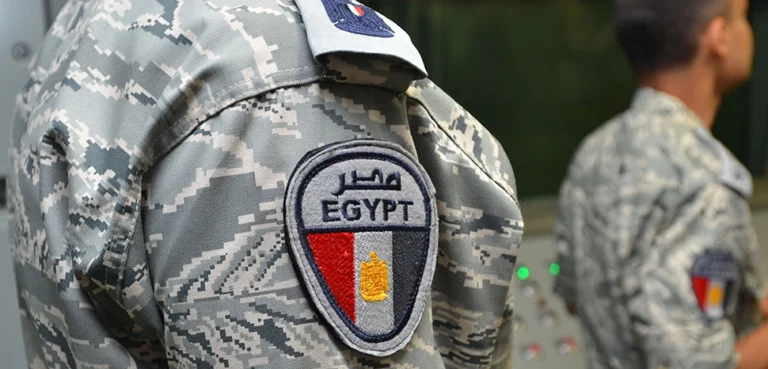
Egypt’s foreign policy for years followed the “strategic balancing” doctrine, involving balanced relations with all great powers alike and strategic non-alignment.
That now could be changing.
As defined by the Egyptian Foreign Ministry, strategic balancing is a doctrine under which Egypt maintains balanced relations with great powers, doesn’t take part in any military alliances, and promotes the rule of state institutions over regional disorder in ways that the ministry believes serve Egypt’s foreign interests best for the time being. The doctrine has shaped Egypt’s conduct in nearby conflicts and regional crises. In Libya, Cairo backed the Libyan National Army in the civil war against Islamist militias while avoiding large-scale direct involvement. In Sudan, Egypt currently supports the Sudanese Armed Forces in the ongoing conflict against the RSF militias, also without large-scale direct involvement. In both cases, Cairo’s approach reflects the importance it places on stability along its immediate borders.
In terms of great power politics, Egypt has maintained a strategic relationship with the US since the 1970s, one that is crucial to the region’s security apparatus, with Washington designating Egypt as a major non-NATO ally in Washington’s security framework. At the same time, Egypt maintains a solid partnership with Russia, with cooperation in certain defense areas and on peaceful nuclear reactors through Russia’s Rosatom. Egypt also maintains a comprehensive strategic partnership with China, involving large-scale investments and infrastructure cooperation. This partnership is expected to expand as defense cooperation between the two countries is rumored to have deepened since 2023.
Egypt’s Doctrine Under Pressure
Since the Nasser era, and under Sadat and his successors, Egypt constructed a foreign policy that revolved around national interest and respecting Westphalian principles of sovereignty and non-interference, especially given the strong alliance between Israel and the United States; Cairo sought to secure its territory and prioritize its national interest. On that note, Egypt maintained an important security arrangement with Israel while safeguarding US security interests in the region without compromising Egyptian national security.
One source of strain in US-Egyptian bilateral relations dates back to 2011, when many Egyptian policymakers concluded that Washington’s handling of Mubarak’s departure left Egypt dangerously exposed to the regional turmoil that followed. The removal of the Muslim Brotherhood from power in 2013 led the United States to freeze parts of its economic and military aid to Egypt. These three episodes marked an early turning point in what has since become a more transactional and occasionally tense relationship. Egypt then began to diversify its arms imports, including from Russia, leading to the US threatening to sanction its ally over Egypt’s purchase of Russian SU-35 jets.
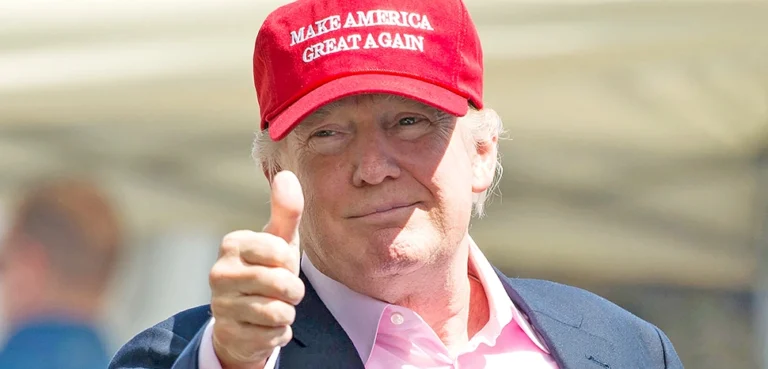
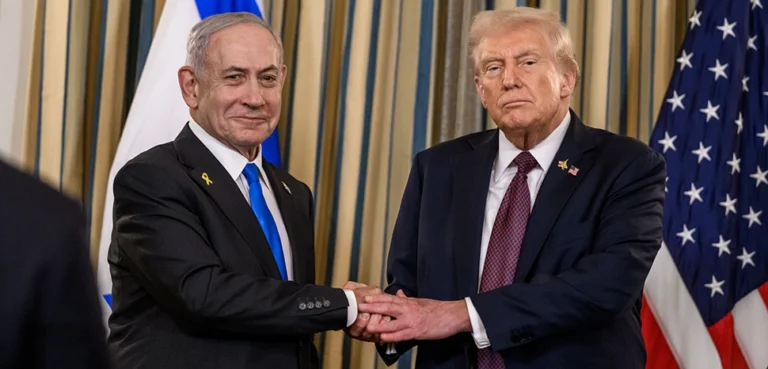
The Gaza war intensified these tensions further. Israel’s expanded military activity heightened security concerns in Cairo, which repeatedly raised the issue with the United States and pushed for a ceasefire, a process that went on for two years. Furthermore, President Trump, early in his second term, also announced his intention to take the Gaza Strip, signaling the forced displacement of its citizens, an issue that Egypt repeatedly declared unacceptable. As a result, Egypt’s Sisi delayed multiple visits to the White House, making him the last major Arab leader to meet with Trump, who briefly visited Sharm El-Sheikh for the signing of the Gaza Peace summit in October 2025.
With Israel’s expanding military behavior in the region and the technological gap between the IDF and the Egyptian army widening in Israel’s favor, Cairo appears to have intensified its search for advanced defense partnerships, including with Russia, China, and France. During Egypt’s foreign minister’s meeting with President Putin in Moscow last week, Putin announced his intention to build up Egypt as a grain and energy hub in the future, serving as a potential alternative amid the present closures. Putin also officially invited the Egyptian president to Moscow, marking President Sisi’s 8th visit to Moscow since first being elected in 2014. The timing of the invitation reflects Egyptian frustration with US approaches in the Middle East since 2011, with the current US-Israeli war on Iran severely impacting Egypt’s energy imports and crippling an already struggling economy.
A New Sunni Axis May Be Taking Shape
In recent months, diplomatic contact among Turkey, Egypt, Pakistan, Saudi Arabia, and Qatar has become notably more frequent. That pattern included ministerial meetings as well as President Erdogan’s visits to various capitals. There has been growing speculation about whether these contacts could evolve into a more structured regional alignment, though this was subsequently denied by the foreign ministry in Egypt, despite close cooperation between these countries in the meetings before the Gaza Peace Summit in October 2025. During the current conflict in the Gulf, these countries have come together once again in an effort to bring an end to the war, notably by setting up meetings in Islamabad.
Turkey, which appears to be the most forward-leaning actor in pushing this coordination into a more visible regional framework, invested considerable diplomatic effort in repairing its relationship with Saudi Arabia and Egypt after relations soured with both countries following the death of Saudi journalist Jamal Khashoggi in the Saudi consulate in Turkey and the fall of the Turkish-backed Muslim Brotherhood government in Egypt. At minimum, the logic behind any such alignment would appear to center on containing regional instability and responding to the perception of growing Israeli freedom of action after October 7. Israeli officials have already declared their fears about Turkish military-industrial expansion and the growing expansion of the Egyptian military, especially the build-up in the neighboring Sinai desert, as a result of the Israeli operations in Gaza. Israeli officials have also expressed frustrations with Saudi Arabia over its repeated refusal to normalize relations with Israel before establishing an independent Palestinian State.
The potential weight of such a framework lies in the different assets its members would bring. Saudi Arabia offers financial backing, crude oil leverage, and religious influence. Egypt contributes demographic weight, military scale, and longstanding political influence in Arab affairs. It also remains the only state to force Israel to cede land to. Pakistan adds nuclear deterrent value, a large military establishment, and political relevance across the broader Muslim world. Qatar offers financial and natural gas leverage and mediation capacity. In theory, such a grouping could contribute to a more acceptable regional balance of power.
What Limits Would a New Sunni Axis Face?
However, it may not be straightforward to get these countries together to commit to a common foreign policy. Egypt and Turkey have just moved on from a severe rupture in their bilateral relationship, which almost escalated into a conflict in Libya in 2019. At the same time, Egypt, Turkey, and Pakistan are facing severe economic crises driven by inflation and foreign currency constraints. Pakistan and Egypt are also burdened with unsustainably high debt loads. The viability of this arrangement will depend on whether Egypt, Turkey, and Pakistan agree on a leadership structure and overcome their economic struggles, which would become more feasible if Qatar and Saudi Arabia were to offer financial inducements.
In addition, among all potential participants, Turkey also seems to harbor expansionist aims in its foreign policy agenda. Turkey expanded its regional footprint with military bases in Somalia and western Libya, in addition to offshore drilling off the coasts of Libya and Cyprus, which amplified tensions with Egypt, Cyprus, and Greece in previous years. Turkey’s more activist regional posture could generate friction if other members regard the arrangement as a vehicle for Turkish power projection. The broader point is that each of Turkey, Pakistan, and Egypt is capable of confronting Israel separately. What tipped the balance in favor of an alliance is what many regional actors increasingly see as Washington’s strong alignment with Israel’s post-October 7 regional agenda, which could scrap the project if the US scales down its political support for Israel’s military activity in the region, especially since all three countries maintain robust security ties with the US.
Egypt’s Strategic Trade-Offs
Despite Egypt being one of the region’s oldest countries, with a diverse — though debt-burdened — economy and a formidable, battle-tested armed forces, Cairo faces a unique dilemma. Since the late 1970s, after the Camp David Accords with Israel, Egypt has maintained close security cooperation with the United States and Israel. However, this was unofficially conditioned by restricting Israeli military activity in the region and within Israeli borders. Among the benefits Egypt received from this security model with the US and Israel was economic aid in the form of access to debt markets and international financial institutions. But with Israel and the United States overhauling the security dynamics in the Middle East, Egypt faces a strategic tradeoff between stepping out of the US comfort zone to balance Israel’s expansionist policy. Doing so would deprive Egypt of desperately needed economic support and access to the US security umbrella, which, in Cairo’s view, has increasingly favored Israeli operational priorities over the informal regional understandings that long shaped the post-Camp David order. The question for Cairo is no longer whether it prefers strategic balancing. It is whether the regional order still allows it.