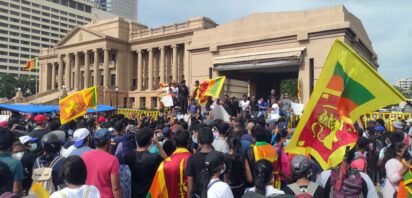
The political and economic difficulties are piling up for Sri Lanka.
Not even a month removed from the outbreak of a constitutional crisis triggered by President Maithripala Sirisena’s sudden dissolution of parliament, rating agencies Standard & Poor and Fitch have both downgraded Sri Lankan debt.
The downgrade is a serious problem for a country faced with a daunting external debt repayment schedule over the next three years.
Impact
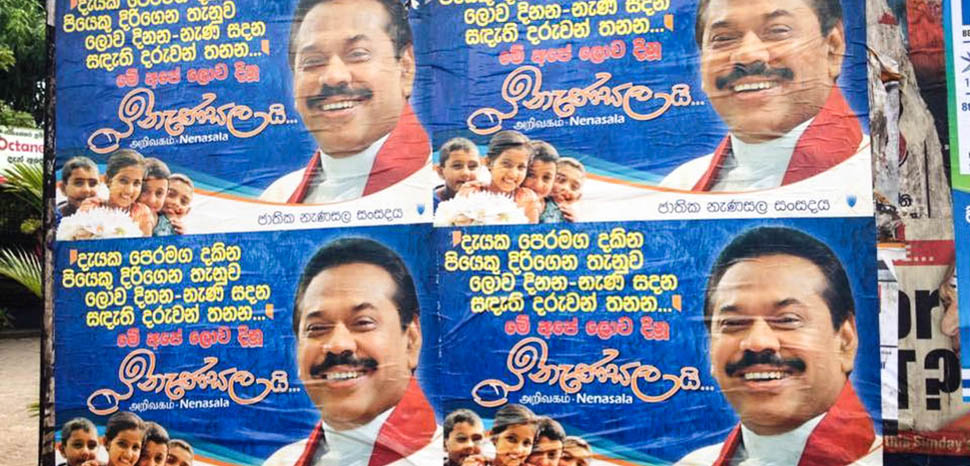
An unresolved constitutional crisis. Sri Lankan politics is currently mired in uncertainty following a surprise move by President Sirisena to appoint former president Mahinda Rajapaksa as prime minister in October. Rajapaksa remains a divisive figure after serving nearly a decade in office from 2005-2015; he prevailed over the Sri Lankan civil war, a slew of China-led development projects (including the ill-fated Hambantota port), and suffered a surprise defeat in 2015 parliamentary elections over corruption allegations.
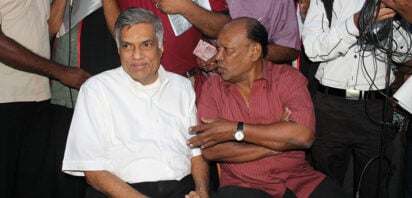
Rajapaksa’s appointment came before sitting prime minister Ranil Wickremesinghe was dismissed, and Wickremesinghe subsequently rejected President Sirisena’s decision, refusing to vacate the prime minister’s residence to make way for Rajapaksa. Wickremesinghe has served as prime minister since 2015, but has recently fallen victim to the same kind of corruption allegations that ended up sinking his predecessor. In the words of President Sirisena: “[Wickremesinghe] is corrupt. His economic policies are not good for local industries. He pursued an extremely liberal form of government that is not compatible with our culture.”