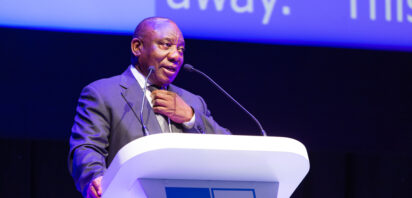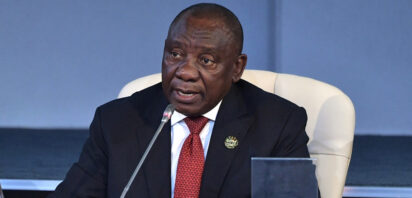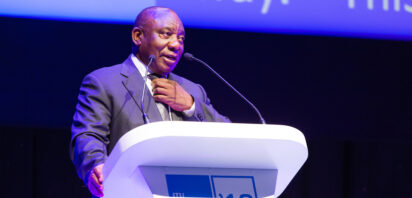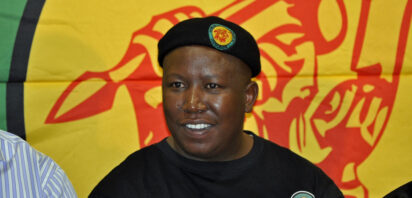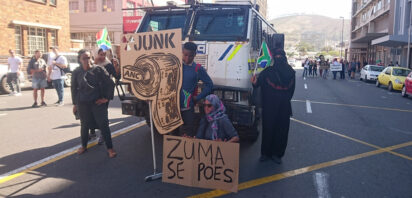
Since his ascension to the highest seat in the land, Cyril Ramaphosa has roused a great sense of optimism in black South Africans who have become deeply disillusioned with the African National Congress (ANC) and the country’s governments institutions. Former president Zuma, who was ousted before the completion of his eight-year tenure as president, has greatly undermined the ANC’s reputation. Embroiled in numerous scandals, accused of economic mismanagement and now facing some 800 allegations of graft, the once formidable political survivor has left South African society worse for wear. Ramaphosa, in his bid to restore public confidence, will have to appease and alleviate the deep-seated grievances most black South Africans exhibit towards the party. Issues centring on widespread corruption, the redistribution of land, income inequality, and education will be the crucial to determining whether Ramaphosa will be able to carry a weak and divided ANC to victory in next year’s elections.
The road to repairing the damage dealt to Africa’s most industrialised economy will be a long one.
Impact
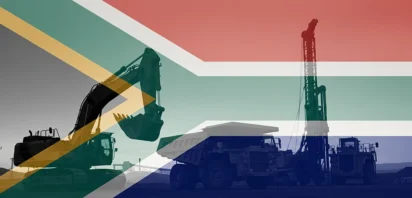
The legacy of Marikana. The Marikana massacre casts a dark shadow on the South African president, as the incident – often held up as one of the darkest days in South African democracy – has plagued Ramaphosa for years. Allegations of Ramaphosa’s involvement in the Marikana massacre have yet to abate. On 16 August 2012, 34 black miners were gunned down by police after a week of demonstrations demanding a pay raise. The company that presided over the operation of the mine, and in which Ramaphosa was a shareholder, was called Lonmin.
It is Ramaphosa’s relationship with the mining company that gave rise to allegations surrounding his role in the massacre. The South African president became embroiled in a series of political and legal battles after it was revealed that he sent an email the day before to the Lonmin board that asserted the protests were a matter of criminality instead of a labour issue: “They are plainly dastardly criminals and must be characterised as such.” The smoking gun was Ramaphosa’s hardened stance on the issue, saying that “concomitant action” was needed to quell the unrest. It was this particular phrase that gave rise to the accusations that Ramaphosa played a big role in orchestrating the deaths of 34 people. Marikana has proven to be a pivotal moment in the history of post-apartheid South Africa and has deeply embedded itself in the hearts and minds of many black South Africans who saw the incident as a stark reminder of the brutal regime they once lived under.