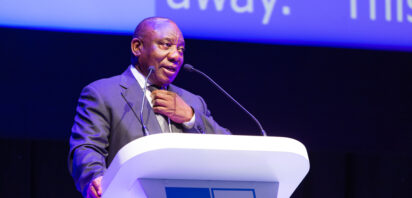
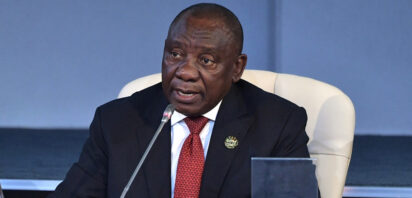
2018 was a trying year for the South African economy: it grew by just 0.8%, slowing significantly during the final quarter, and structural issues like high indebtedness, unemployment, and currency volatility served to undercut any momentum that Cyril Ramaphosa had when he took over for Jacob Zuma in February.
And after a bombshell annualized contraction of 3.2% in the first quarter, it appears as though 2019 won’t be bringing any relief. In fact, the worst is likely still to come for the South African economy.
Impact
South Africa’s unemployment rate stands at an eye-watering 27%. If you were to include those who have already stopped looking for work, it would come in at around 37%. These numbers put the challenges of job-creation in sharp relief; not just in terms of normalizing unemployment rates, but providing jobs for the estimated 17 million South Africans who are under the age of 18 and will soon be looking to enter the workforce.
Just how steep of an incline do South African policymakers face? According to one estimate by the Institute of Race Relations, the country would need to grow at 5-6% annually for 20 years to reduce the unemployment rate to 10%.