A record-breaking heatwave is exposing longstanding governance and resource management difficulties across the Middle East, generating a new wave of unrest in countries like Iran and Iraq.
Analysis
Iraq
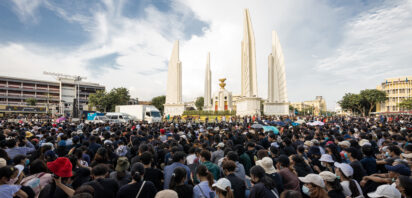
Amid scorching temperatures, intermittent blackouts, and longstanding public service deficiencies, Iraqis have been taking to the streets by the thousands in what one UN agency describes as a “perfect storm” of climate and governance pressures.
The protests have thus far been focused in the southern provinces, where the blackouts are most common, including in the port city of Basra, where nearly all of Iraq’s exports transit through on their way to global markets.
By one account from the town of Kut, electricity is only available for two hours a day amid temperatures in excess of 50 degrees. According to AP, Basra province has been receiving just 20% of its electricity needs of late, with an overall shortfall of 3,170 MW.
The protests are nothing new; rather, they represent just the latest manifestation of an anti-government protest movement that has ebbed and flowed over the years, fueled by widespread disgust toward the sectarian and corrupt nature of Iraqi politics, and the country’s woeful public service infrastructure. These are deep-rooted issues that have yet to be meaningfully addressed despite years of protest. However, recent weather is having them take on a more existential aspect, fueling fears of violence. Recall that in 2018, roving mobs of anti-government protestors torched anything they could find in Basra that was even obliquely associated with Iraq’s political class, along with the Iranian consulate and the headquarters of several Iran-aligned militias operating in Iraq.
Many of the environmental shifts behind the recent instability – higher temperatures, increased soil salination, reduced palm coverage, reduced water supply – are here to stay, meaning that the Iraqi government fails to adapt at its own peril.
Moreover, there is an international aspect to Iraq’s electricity crunch, as it has been exacerbated by a decision on the part of the Iranian government to halt electricity exports to its neighbor, citing some $4 billion in unpaid fees. Baghdad maintains that it has been unable to settle the account due to complications arising from US sanctions. However, it’s far more likely that the Iraqi government simply doesn’t have the funds on-hand given its prolonged and yet unresolved budget crisis whereby civil servant wages and pensions account for over 25% of Iraq’s GDP.
Iran has also been plagued with blackouts due to its own unreliable electricity grid, which Tehran blames on decades of underinvestment due to US sanctions.
Iran
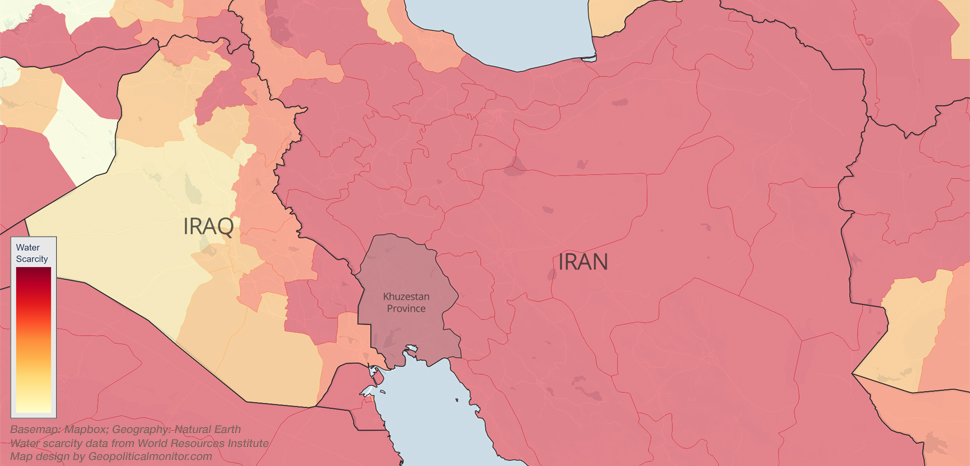
Record temperatures have also frayed the political fabric of Iran, where protests have broken out in Khuzestan province for lack of sufficient water supply.
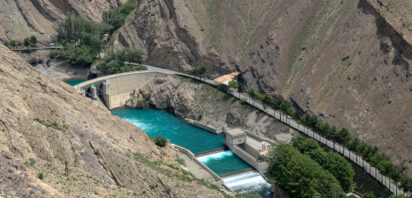
Years of drought, persistent mismanagement of water resources, over-construction of dams, and over-extraction from groundwater tables have created a water crisis in Iran’s southwest. The severity of this year’s heatwave is attested to by the fact that, despite several years of favorable precipitation, water levels among the province’s rivers and dams are now languishing at historic lows, including at the Shahid Abbaspour facility – Iran’s fourth-largest dam. The levels are low enough to negate key regional infrastructure such as water transit systems and hydroelectric stations, resulting in severe localized water shortages and additional strain on the electricity grid.