Sudan’s civil war, now approaching its third year, has evolved into a protracted struggle that is tearing the country apart. What began as a power struggle between two rival military leaders—the Sudanese Armed Forces (SAF) under General Abdel Fattah al-Burhan and the paramilitary Rapid Support Forces (RSF) under General Mohammed Hamdan Dagalo, known as Hemedti—has become a conflict over the very identity and future of the Sudanese state.
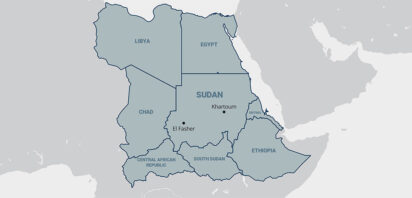
Both sides now control distinct territories, operate their own governing administrations, and command separate economies and security forces. The RSF dominates most of western Sudan, including Darfur, while the SAF controls the capital Khartoum, eastern regions, and the Red Sea corridor. This division has effectively split Sudan into two competing statelets.
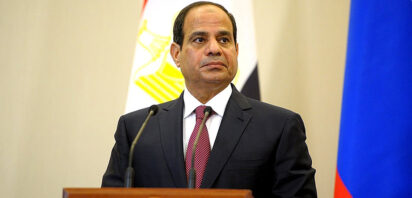
The United States, along with Egypt, Saudi Arabia, and the United Arab Emirates (a grouping known as the “Quad”) has tried to mediate a ceasefire and a roadmap toward a civilian government. The RSF has agreed in principle to this plan, but the SAF has resisted, largely because doing so would threaten its alliance with powerful Islamist groups that form the backbone of its wartime coalition. The result is a fragile diplomatic stalemate: both sides may agree to temporary truces for tactical reasons, but neither is willing to make the political compromises needed to end the war.
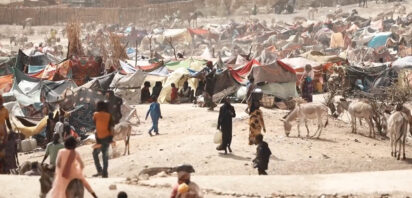
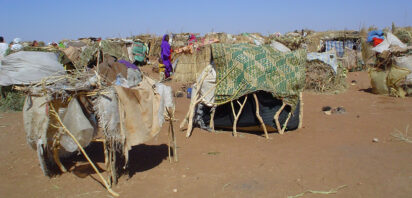
This deadlock represents the slow disintegration of Sudan as a unified state. Even if a ceasefire occurs, ethnic violence and political fragmentation will continue. Over the next year or two, Sudan is likely to remain divided between two rival governments, each consolidating power within its territory, as the humanitarian crisis deepens and regional powers pursue competing agendas on Sudanese soil.