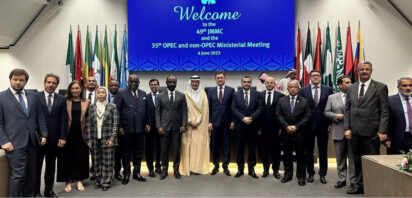
A widened OPEC meeting, alternately dubbed ‘OPEC+’ or ‘OPEC++’ by observers, was held via teleconference today. It drew together most energy-producing countries on the planet, and for the first time in recent memory even involved representatives from Canada and the United States, albeit obliquely.
All parties would technically stand to gain from higher oil prices, but the timeless questions of who cuts and how much were the usual ‘devil in the details.’ And like OPEC deals in the past, the ultimate success of this one will be less determined by what is said today and more by what is actually done in the weeks ahead.
Early indications suggest a failure on both counts.
Analysis
Speculation abound on the content of today’s meeting, with news now emerging that a deal has already been agreed to in principle by the central antagonists of Saudi Arabia and Russia.
The sticking points in today’s negotiations were apparently the extent of the production cuts and, in a piece of minutiae dear to Moscow’s heart: the question of what exactly constitutes a ‘production cut.’ Russian negotiators did not want preexisting production declines in the United States and Canada, which were the result of market forces in a low-price environment, to be considered as North American exporters ‘doing their part’ in a new deal; in other words, they wanted additional, voluntary cuts on top of recent declines.
Details of the new agreement remain murky at time of writing.