Monday’s dual suicide bombing attack on the Moscow metro will have profound consequences for Russian domestic politics.
It didn’t take long for the FSB to state the obvious: that a group from the North Caucasus is the likely culprit behind Monday’s bombings that killed 38 people during morning rush hour. Chechen rebel leaders such as Doku Umarov have warned that they will be expanding their field of operations into Russian territory as recent as last February. Moreover, early tests on various body fragments recovered from the two female suicide bombers have corroborated that they were native to the North Caucasus.
Even if the attacks go unclaimed by major rebel groups operating out of the North Caucasus, blowback will be doubtlessly be directed at Muslim populations living in Chechnya, Dagestan, and Ingushetia, simply because it is politically expedient to do so.
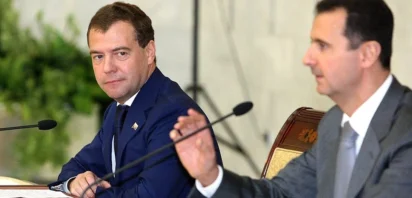
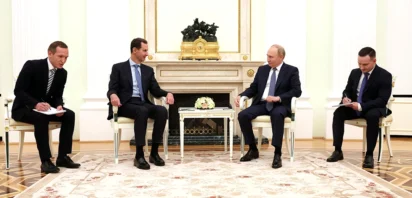
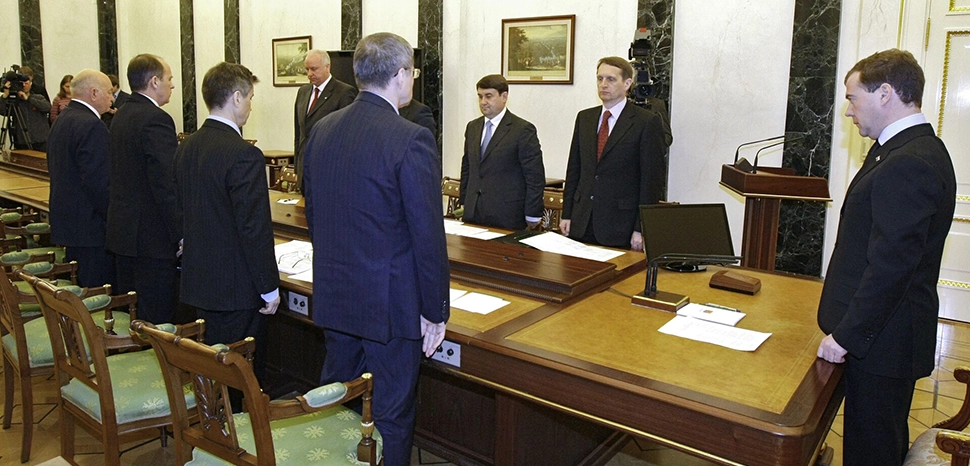
The fundamental impact of these bombings will be their effect on the power dynamics that exist between President Dmitry Medvedev and Prime Minister Vladimir Putin.