President Trump shocked observers last week when he announced broad new tariffs on Mexican exports to the United States. The proposed tariff will start at 5% on June 10 and will continue to increase incrementally to a maximum of 25%, remaining in place until such time as “the illegal immigration problem is remedied.” If no action is taken by the Mexican authorities, the across-the-board tariffs will hit 25% in October.
Some of Trump’s own staff were among those being taken by surprise, including US Trade Representative Robert Lighthizer and Treasury Secretary Steven Mnuchin, both of whom are still trying to ensure the safe passage of the Trump administration’s new North American trade pact.
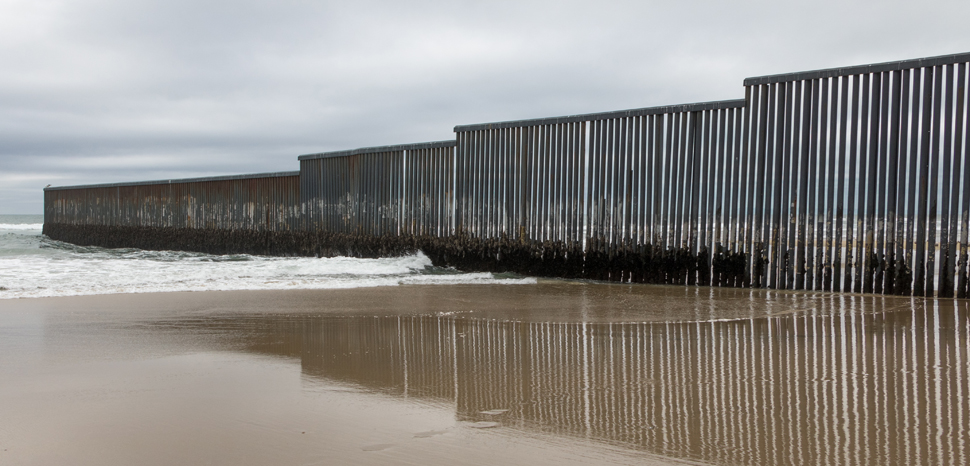
The tariff announcement comes amid a recent influx of Central American migrants at the US-Mexico border. And though the intrinsic power disparity would seem to imply that President Trump is holding all the cards in this latest fight, a prolonged trade war would serve to undercut economic health on both sides of the border.
Impact
- Why now? Two likely reasons: 1) President Trump wants to stay on-message and stress border security ahead of the 2020 elections; and 2) the situation at the border seems to be worsening under Trump’s watch. The 109,000 migrants apprehended in April is the highest amount of any month since 2007 (May’s numbers, yet unreleased, are expected to be even higher). President Trump’s sudden announcement is surprising to say the least, especially since it’s coming before his own USMCA deal has officially entered into force. That won’t happen until all three signatories pass the necessary legislation to implement the agreement, and the latest uptick in trade tensions threatens to upend the process. USMCA was already a sensitive issue for Mexico’s new left-wing president, Andrés Manuel López Obrador, or ‘AMLO’ as he is commonly referred to. AMLO had sent USMCA to the Mexican Senate for ratification just one day before Trump’s announcement (the institution is currently controlled by the president’s MORENA coalition). But it’s not just Mexico where USMCA’s fate remains a question-mark – the new Democrat-controlled House of Representatives has also been clamoring to reopen negotiations and make amendments to the deal. Since representatives in both Mexico and Canada have rejected the possibility of new talks, House Democrats in the United States will have to either back down from their threat or carry through with it and vote down USMCA, in which case trade relations would revert back to NAFTA terms, which remains in-force pending ratification of the new agreement.