Geopolitics Weekly contextualizes emerging geopolitical trends around the world, distilling the cacophony of global events into one easy reader. It lands in the inbox of Geopolitical Monitor subscribers every week.
Asia
Vietnam Tungsten Mine Sale Could Consolidate China Control of another Critical Mineral
What Happened
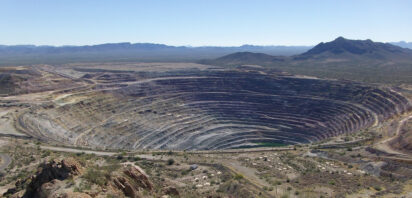
Reuters reports that Vietnam conglomerate Masan Group is considering a sale of the Nui Phao Tungsten mining and refining complex in northern Vietnam to Chinese buyers. The mine is believed to be the largest of its kind outside of China, producing around 3,400 metric tons of tungsten annually – around 4.2% of global output.
Why It Matters
- China Monopoly. Global tungsten production is dominated by China, which accounted for around 67,000 metric tons in 2023, or 80% of output. It has not been mined commercially in the United States since 2015. In terms of reserves, Russia and Australia are the only countries outside China with significant known discoveries.
- A Critical Mineral. Tungsten is uniquely dense and has a high melting point, making it highly sought-after across a variety of industrial, high-tech, and defense applications ranging from semiconductors to armor-piercing ammunition. Recent modeling from the USGS found tungsten to be a standout vulnerability among critical minerals in terms of the potential to harm to US GDP in a hypothetical cut-off of external supply.
- In Geopolitical Context. Nui Phao’s output may appear modest but it still carries significant strategic weight, notably in its attached refining capacity. The fact that the Reuters article cited ongoing Western interest in the complex is no surprise. Should Nui Phao’s come under Chinese control, it would strengthen Beijing’s already formidable grip on tungsten supply chains, and we’ve already seen tungsten be slapped with export controls after US-China trade tensions boiled over in February. The outcome will be telling for US-Vietnam relations as well. Where Hanoi has adopted a flexible and balanced approach toward its relations with the U.S. and China – ‘bamboo diplomacy’ – the pronounced strategic thaw of the Obama era is now being derailed by tariff tensions. The US-Vietnam trade rollercoaster ride of late has been disorienting: an early if imperfect bilateral deal, confusion over what was actually agreed upon, and now new negotiations to ‘finalize’ the deal. Nui Phao slots into this trade negotiation dynamic nicely for Hanoi, holding out the promise of tariff relief in exchange for help keeping the complex beyond the control of the Chinese state.