French President Emmanuel Macron’s recent trip to Mongolia – an unprecedented visit by a sitting French President – reflects a shifting geopolitical dynamic. Despite its abundant natural resources and strategic location, Mongolia has exercised caution in international affairs. This recent development prompts a broader discussion about Mongolia’s extensive resources, including its uranium, copper, rare earths, coal, and its burgeoning mining industry. Understanding Mongolia’s evolving relationship with major powers, including Russia, China, the United States, and the European Union is key, as these nations recognize Mongolia’s potential as a strategic ally in securing future resources, particularly for future energy needs.
Mongolia’s Resource Wealth and Mining Sector
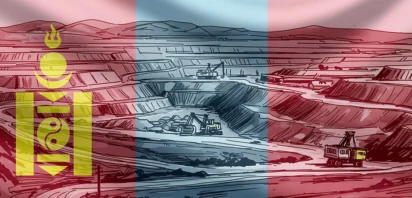
Mongolia, a former Soviet satellite state, boasts tremendous wealth in mineral resources, including substantial reserves of copper, coal, gold, and uranium. However, the economic potential of these resources remained mostly untapped for decades. Today, Mongolia stands on the brink of a long-awaited economic transformation driven by the country’s resource wealth.
Uranium, a critical component for nuclear energy, is among the resources placing Mongolia in the international spotlight. As France aims to augment its nuclear energy capabilities and decrease its carbon footprint, a steady uranium supply from Mongolia provides a considerable advantage. Traditionally, France has looked to its former colonies in West Africa for its uranium supply, specifically within the Sahel region. However, regional instability and the deteriorating relationship between Paris and its allies in the Sahel have made Mongolia a compelling alternative. This interest is evidenced by the partnership between Mongolia and French nuclear group Orano, which has had a presence in Mongolia for over 25 years.
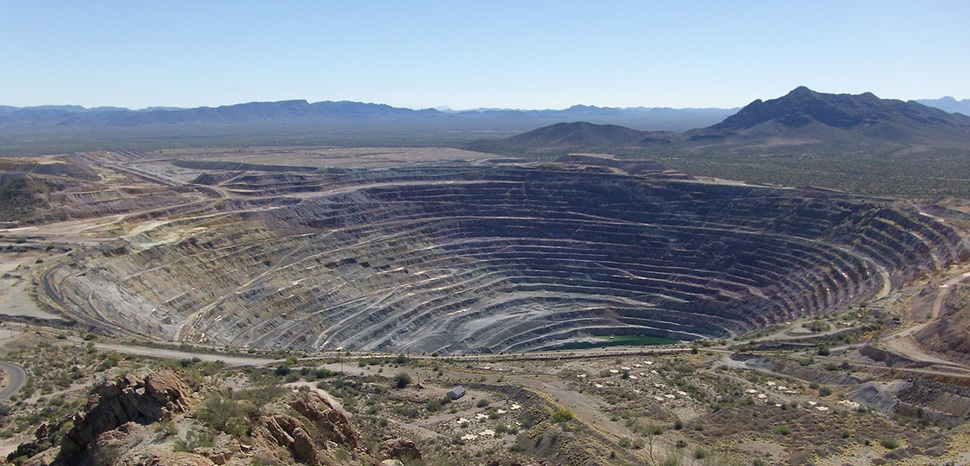
Copper, another abundant resource in Mongolia, is vital to the green technology and electric vehicle markets due to its excellent conductivity. Given supply gaps and resource nationalism in key copper markets like Chile, growth opportunities in this sector remain optimistic for Mongolia’s share of exports. Coal is another significant export for Mongolia, but Mongolia’s domestic dependence on coal is discordant with the global trend towards decarbonization. Furthermore, with over 70% of Mongolian exports destined for China, efforts to diversify the country’s export partners remains a priority for the Mongolian government. Macron’s visit symbolizes these initiatives, demonstrating Mongolia’s steadfast determination to leverage its resource wealth to achieve a more balanced international position that extends beyond its two major neighbors, China and Russia.