The gilets jaunes have all the characteristics of a successful mass movement in the age of the Internet: a message that cuts across political fault lines, a highly visible ‘branding,’ and a sense of indignation that allows them to outlast their political opponents now under siege in the Élysée Palace.
Their appearance in French politics is a game-changer, and not just because of what it portends for President Macron’s reform platform. The movement’s sudden appearance, spread, and ultimate success reflect the growing anti-politics void at the center of French public life.
You might call it ‘Populism 2.0.’
Impact
There are two impacts from the gilets jaunes phenomenon: how it affects broader trends in French politics, and how it affects Macron’s various reform initiatives.
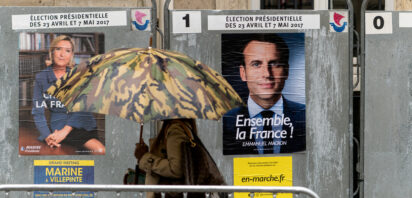
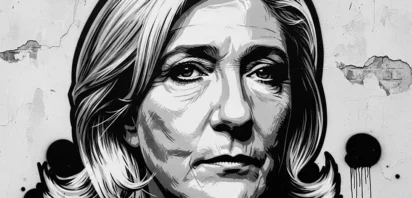
When Emmanuel Macron came out of nowhere to decisively win both presidential and parliamentary elections in 2017, on the surface it appeared as though the populist wave had dissipated. Yet even back then, the more cynical take was that a vote for the centrist Macron in 2017 was in truth a vote for Le Pen in 2022. The view stemmed from the lack of voter engagement in the 2017 polls (Macron’s En Marche movement cruised to a parliamentary majority on the lowest turnout in French history), and the fact that many of Macron’s platforms risk exacerbating the socioeconomic forces fueling the far-right, especially if the policies didn’t quickly pay off with the promised growth dividend (they haven’t). These trends were further amplified by the presidential persona of Macron himself – confident, unwavering, a self-styled ‘Jupiter’ who rules from great heights. In other words, Macron is emblematic of the kind of disconnected and uncaring elite that the populists – and growing segment of the French population – absolutely despise.