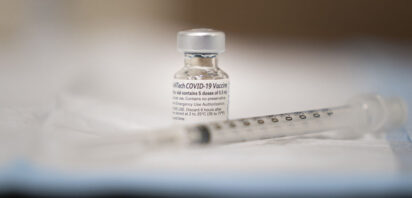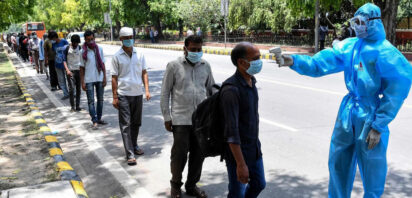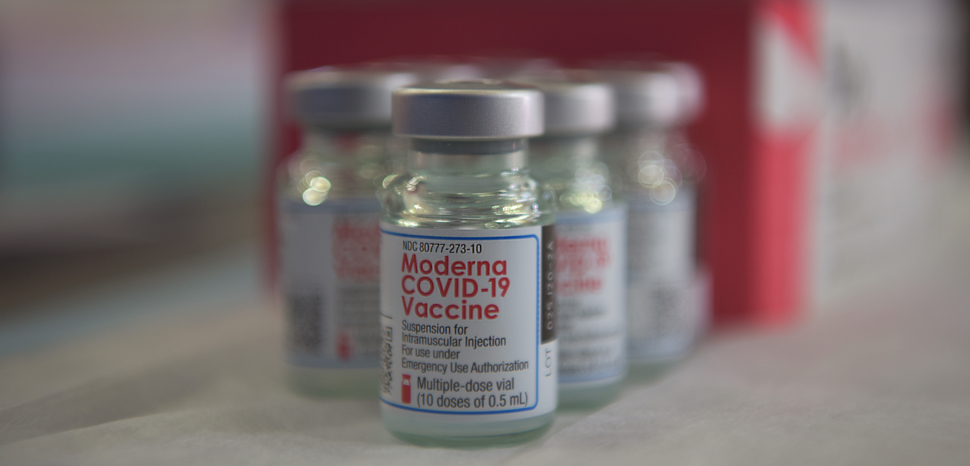
Amid the emergence of more virulent and perhaps more deadly COVID-19 variants, vaccination efforts have taken on even greater importance in forging a path out of lockdown and a return to economic normalcy in Western countries. Such efforts are already well underway in many states, administering vaccines produced by BioNTech/Pfizer, Moderna/NIAID, and Oxford/AstraZeneca (for more details see our recent Outlook). But the process so far has proven highly susceptible to production delays and distribution failures.
Here are some of the latest setbacks in the vaccination effort:
- Canada has been hit with delays in deliveries of the Pfizer vaccine due to the company expanding its manufacturing facilities in Belgium. The country ranks first in the world in purchased vaccine doses per capita (a mind-boggling 214 million doses for 38 million Canadians); through January 21, some 1,119,225 shots had been administered.
- AstraZeneca has been hit by significant production problems in a partner-operated factory in Belgium, prompting the company to slash its first quarter output targets to the European Union from 80 million by the end of March to 31 million doses. The announcement elicited a forceful response from EU Commission President Ursula von der Leyen, who threatened to restrict the export of vaccines produced in EU countries. Following through on the threat could impact global supply of not just AstraZeneca but also the Pfizer vaccine, both of which are produced in factories located in Belgium and Germany. Why has the EU adopted such an extreme position? It could have something to do with the woeful state of vaccine distribution in the bloc thus far. The EU is buying and distributing vaccines on behalf of its members, yet only 2% of the EU population has been vaccinated, compared to an estimated 10% of the UK population. Recent production delivery shortfalls risk widening this gap even further.