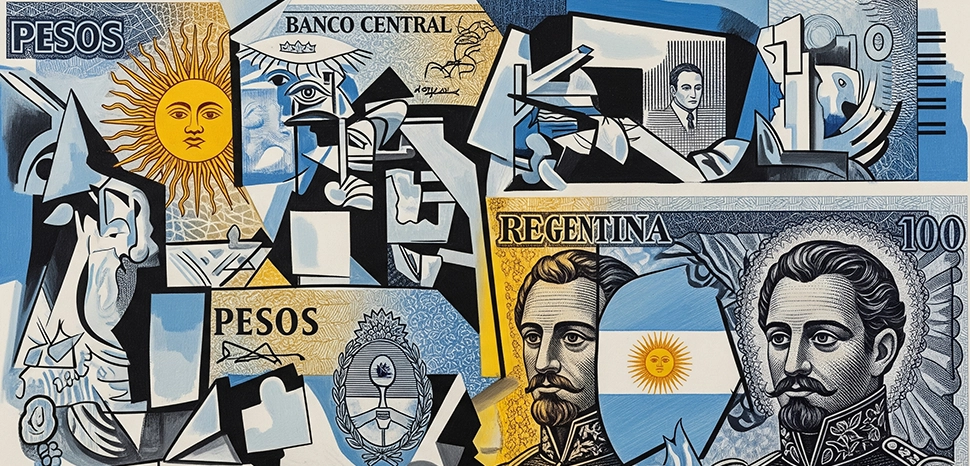
Argentina has until July 30 to avoid its second devastating default in just 13 years. Last month, the country was unable to make a June 30 payment to its creditors. It was then granted a 30-day grace period in which to make the payment or agree to a new schedule.
Argentina’s economic woes worsened considerably last month when the US Supreme Court ordered the country to pay holdout investors $1.5 billion along with its other creditors on June 30. The court also ordered that the holdout investors be paid before all others. This ruling is controversial in some corners, as it adds to the financial pressures weighing down on the Argentine government. Before the ruling was even announced, Argentina was already having difficulty paying its creditors.
In addition, the court’s decision opened the door for further litigation against the country. If Argentina pays its holdout investors, it may encourage other investors to litigate against the country to recover some of the money they lost in their own negotiations.
Build-up to the Current Crisis
Argentina’s economic crisis first began in 2002 when it defaulted on an estimated $82 billion in sovereign bonds. The default was dubbed the largest in history. In 2005, when the national economy had stabilized somewhat, the government successfully negotiated a debt restructuring program with its creditors, bringing 76% of its bonds out of default. Then in a similar deal, the Argentine government negotiated another debt restructuring program in 2010 to bring 93% of its bonds out of default. Yet these successes have been overshadowed by a group of holdout investors who never agreed to the terms of the restructuring programs, and are now demanding payment on the original terms.
These holdout investors are at the center of Argentina’s new default crisis. When the country previously defaulted on bonds in 2001, they were bought by a group of hedge funds which now comprise the holdout investors. At the forefront of these was NML Capital, referred to as a ‘vulture fund’ by some for making a habit out of investing in debt at risk of default. Vulture funds typically profit by buying debt at a reduced price only to later sue the debtor for more than the price at which they bought the debt. NML Capital is a subsidiary of Elliot Capital Management, a company run by Paul Singer. Singer was previously successful in suing the governments of both the Democratic Republic of Congo and Peru to pay up their debts to the company. The Argentine government now faces the same fate.