Alarm over the economic impact of COVID-19 is mounting – and fast. Equity markets around the world are in freefall, and some analysts are even evoking that most-dreaded year of 2008 to describe the potential impact on global growth.
In the likely event that the virus continues to spread, a wide range of economic repercussions can be expected, the most immediate of which we’re already seeing in stock plunges and downward revisions in corporate earnings estimates. The true pain however may lie in what comes next: an explosion in non-performing loans as ailing companies fail to make good on their obligations.
Only when we see this kind of downward spiral of illiquidity and defaults will the 2008 comparisons ring true. But the bad news is: such a scenario is becoming less far-fetched with every new spike in COVID-19 cases.
Analysis
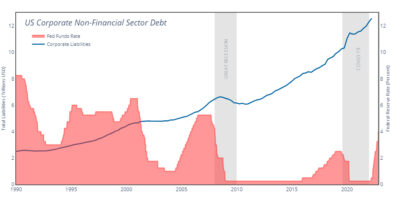
One point can’t be stressed enough: Even before COVID-19 emerged, the global economy had a serious debt problem. It’s one that manifests differently across various national/corporate contexts, but broadly speaking the global financial system is completely awash in debt – and far too much of it is constituted by ‘bad’ (non-performing) loans.
China’s debt struggles, often tied to the ‘shadow banking’ sector or profligate and unaccountable local governments, are well-covered on this website. One of the earliest economic considerations of the COVID-19 outbreak was how it might lead to further leveraging by the Chinese authorities via new stimulus programs, and whether these programs could lead to new systemic risks down the road. Again, it’s worth stressing that China’s financial system was already under significant strain before the outbreak even hit, with three major banks (Baoshang Bank, Hengfeng Bank, and Bank of Jinzhou) requiring bailouts from state authorities in 2019. According to S&P Global Ratings, many more bailouts were likely to emerge over the course of 2020 (the forecast was made before economic pressures from COVID-19 were brought to bear). It should be noted however that the Chinese authorities still have tools that they can turn to, such as a $3 trillion war chest of foreign exchange reserves and ‘unconventional’ monetary policies (ie quantitative easing), which they have thus far avoided using.