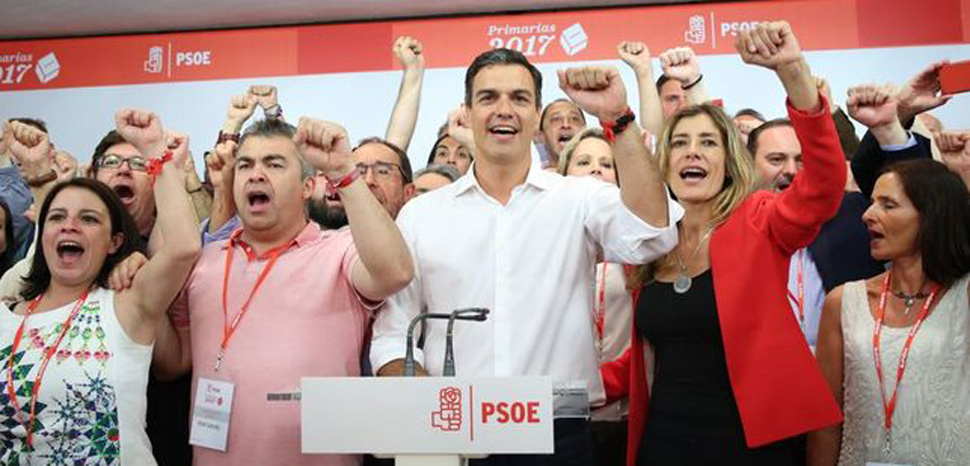
Spanish voters bucked the populist trend when they swept Pedro Sánchez and his Socialist Workers’ Party (PSOE) to a comfortable victory last April. When all the votes were counted, PSOE had filled 123 seats in the Congress of Deputies – 53 short of a governing majority. Its gains came at the direct expense of the center-right People’s Party, which shed 69 seats from its 2016 tally owing to a far-reaching corruption scandal some have dubbed ‘Spain’s Watergate.’
With fellow left-leaning travelers in the Unidas Podemos party well-placed to bring their 42 seats into the governing fold, early coalition calculus appeared favorable for PSOE. But the actual negotiation process has been anything but.
Weeks of cabinet horse-trading have now come down to the wire: a Thursday, make-or-break vote to validate a Sánchez-led government. It only requires a simple majority to pass, meaning a majority among those who cast a vote and not the usual 176. Sánchez failed a similar parliamentary test, albeit one with stricter victory conditions, earlier this week when his betrothed coalition partners in Podemos abstained at the last minute. If the defeat is repeated on Thursday, it will trigger the all but doomed process of finding another party to form a government. Failing that, new general elections will be held sometime in autumn – the fourth such contest since 2015.
What’s the hold-up in the coalition negotiations? A combination of personal and policy issues appears to be the problem. For one, PSOE is low-balling Podemos on cabinet appointments. According to the Guardian, the only posts being offered up are youth and housing, which Podemos officials have rejected as merely “decorative” and lacking in any real authority.