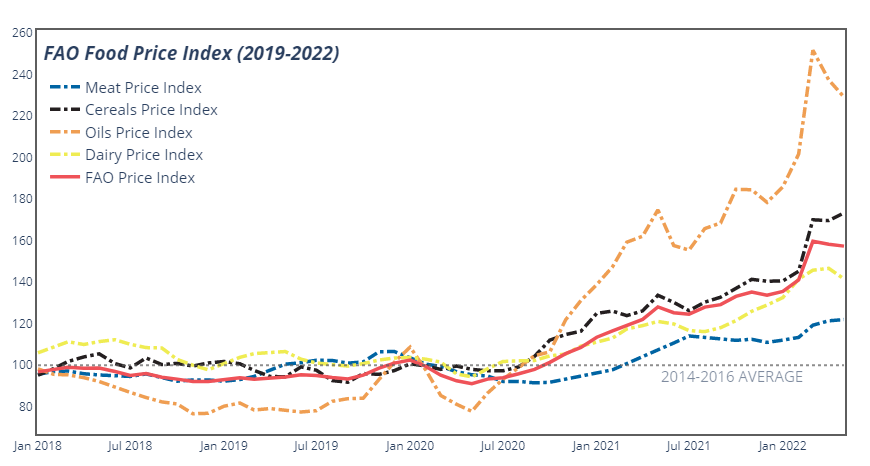
Russia and Ukraine together account for around one quarter of global wheat production, so it comes as no surprise that the war they’re currently fighting is upending global supply.
The dynamic is straightforward enough on the Ukrainian end: with large swathes of the eastern part of the country occupied by Russian forces and a severe shortage of able hands as Ukrainians head to the front, some 20-30% of Ukrainian agricultural land will remain either unplanted or unharvested this year, as per FAO estimates. For example, it’s believed that some 50% of the land that the normal winter wheat crop is planted on is now occupied by Russia, along with some 40% of rye crop land.
The fallout isn’t just restricted to wheat exports. Ukraine is a major producer of sunflower oil as well, accounting for roughly 50% of the global market, with Russia also a significant player with a 25% market share. Sunflower oil represents around 13% of the global vegetable oil market, and certain African states are highly dependent on imported oils, namely Namibia (100% of supply imported), Botswana (100%), Madagascar (90.9%), Gabon (88.6%), Algeria (84.7%), and Ethiopia (81.7%).
Corn is another Ukrainian agricultural export, with the country accounting for some 15% of global supply.
Russian has also been contributing to rising food prices. Before the war even broke out, Moscow imposed a variable export tax tied to the domestic price of grain last year, intended to limit Russian supply to global markets and reign in domestic food inflation.
The above outlines the food crisis of tomorrow, one that’s caused by a planting season lost to war and the unknowable timeline of when normal production can resume. But there’s also the matter of what’s happening with the grain that has already been harvested.
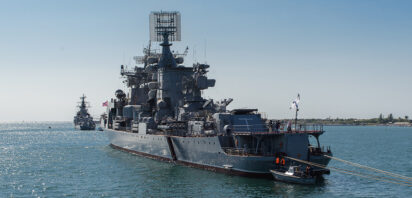
Though only 20% of Ukraine’s territory is occupied by Russian forces, the area is crucial to Ukraine’s wheat exports, 90% of which traverse the Black Sea en route to global markets. Major wheat-exporting ports like Mariupol and Berdyansk have been occupied and are not processing exports, and others like Mykolaiv and Odesa cannot process shipments due to Russia’s ongoing blockade of the Black Sea.