
2015 Vienna Agreement: A New Balance of Power in the Middle East?

The Vienna Agreement on Iran’s nuclear program will have far-reaching geopolitical ramifications in the Middle East and beyond.
Tunisia’s Terrorism Problem Goes Beyond Islamic State

One must look beyond Islamic State for the real causes of radicalization in Tunisia. Only then will we have the proper tools to stomp out terrorism.
Turkish Troops Aim to Counter Kurds, Not Islamic State
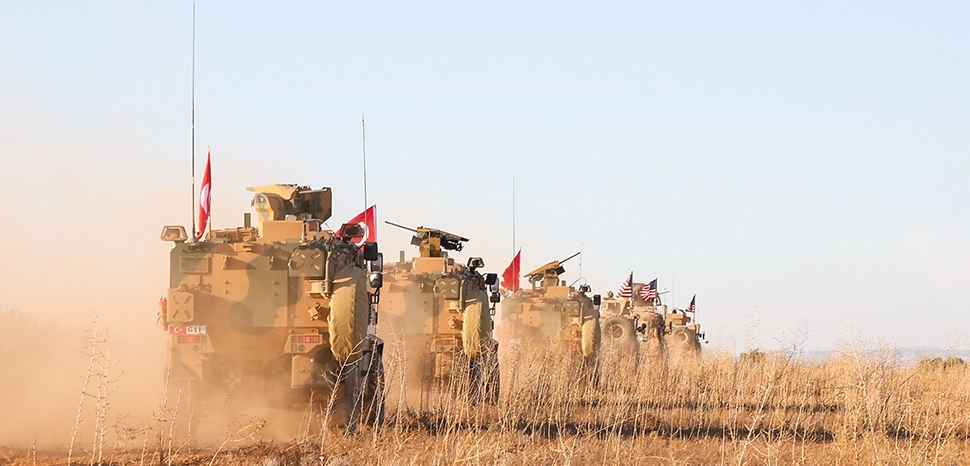
The Turkish government is considering deploying troops to create a “buffer zone” along its southern border with Syria, and it is clear that the intended target of such a move would be the Syrian Kurds, not Islamic State.
The Greek People Should Vote No

The austerity model championed by Germany and its troika partners has failed. Now the Greek people have a chance to seal austerity’s fate, and in doing so revitalize a monetary union that has lost its way.
A New Islamic State Front in the Sahara
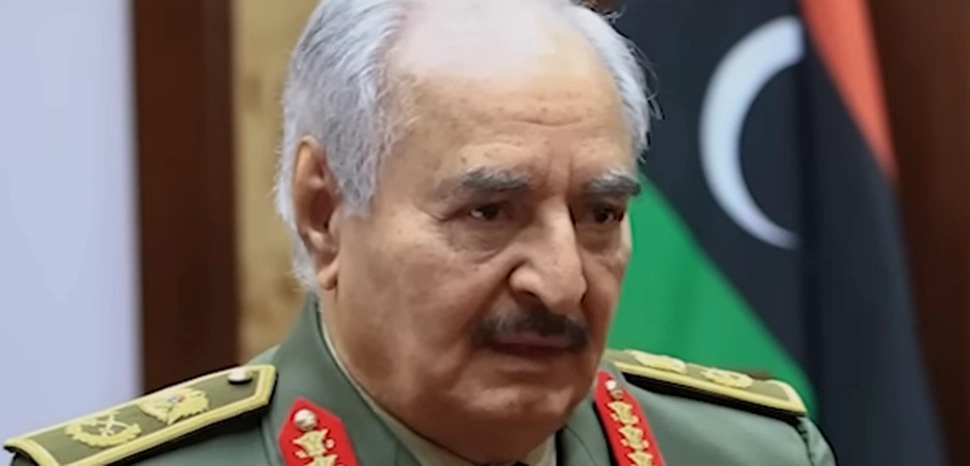
Islamic State is taking advantage of Toureg and Toubou clashes in southern Libya as another UN-mediated attempt at national unity unravels.
Bi-Oceanic Railway Ups Ante in China-Latin America Cooperation

A look at the ambitious bi-oceanic railway project agreed between China, Peru, and Brazil, which intends to boost trade and economic development by linking Brazil’s Atlantic coast with Peruvian ports on the Pacific.
Canada Steps Out of Peacekeeper Role and into the Unknown
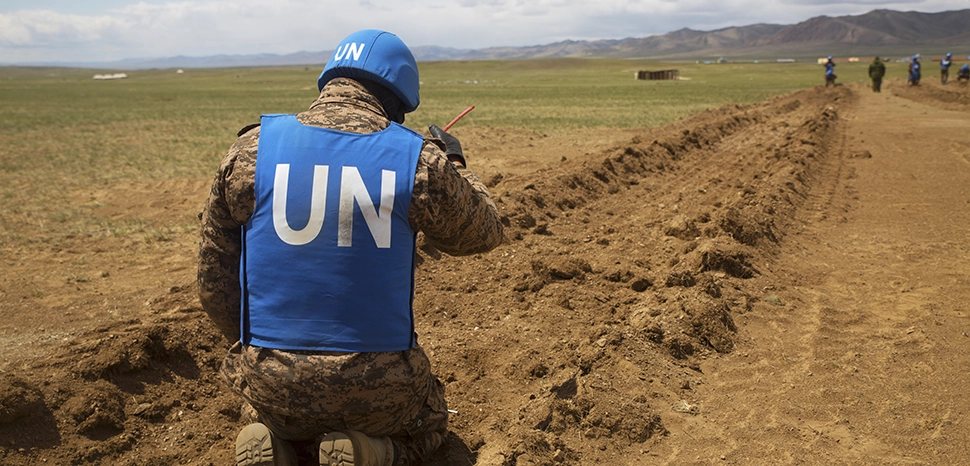
The Harper government has shifted Canadian foreign policy from ‘peacekeeper’ to ‘player’ in the Middle East and beyond. But is the Canadian military ready for a more assertive role on the world stage?
US-Cuba Thaw to Counter China’s Growing Trade Ties in Latin America
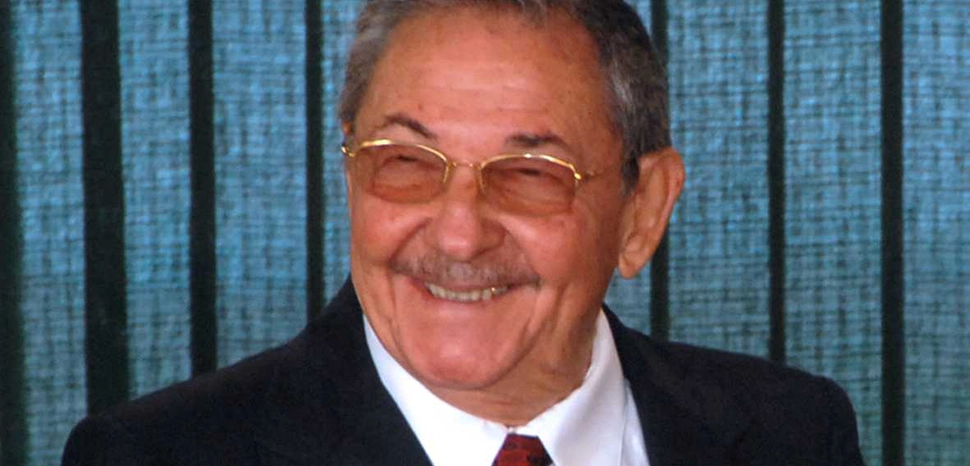
Like the recent thaw with Iran, President Obama’s move to normalize US-Cuban relations is motivated by the need to compete for markets and influence in an increasingly bipolar world.
Lausanne Accord to Open the Lucrative Iran Market, Remake the Middle East
![Kerry Zarif Iran nuclear deal, cc US Department of State, modified, https://en.m.wikipedia.org/wiki/File:Secretary_Kerry_Discusses_Iranian_Nuclear_Program_With_Foreign_Minister_Zarif_in_Switzerland_%2816092274037%29.jpg / U.S. Secretary of State John Kerry sits with Iranian Foreign Minister Javad Zarif before the two resume negotiations about the future of Iran's nuclear program on January 14, 2015, in Geneva, Switzerland. [State Department photo/ Public Domain]](https://www.geopoliticalmonitor.com/wp-content/uploads/2015/02/Secretary_Kerry_Discusses_Iranian_Nuclear_Program_With_Foreign_Minister_Zarif_in_Switzerland_16092274037.webp "Kerry Zarif Iran nuclear deal, cc US Department of State, modified, https://en.m.wikipedia.org/wiki/File:Secretary_Kerry_Discusses_Iranian_Nuclear_Program_With_Foreign_Minister_Zarif_in_Switzerland_%2816092274037%29.jpg / U.S. Secretary of State John Kerry sits with Iranian Foreign Minister Javad Zarif before the two resume negotiations about the future of Iran's nuclear program on January 14, 2015, in Geneva, Switzerland. [State Department photo/ Public Domain]")
Détente between Iran and the West is transforming the geopolitical landscape of the Middle East, and governments and investors the world over are scrambling to profit from the new normal.
Eritrea at the Center of Europe’s ‘Clandestine’ Migrant Crisis
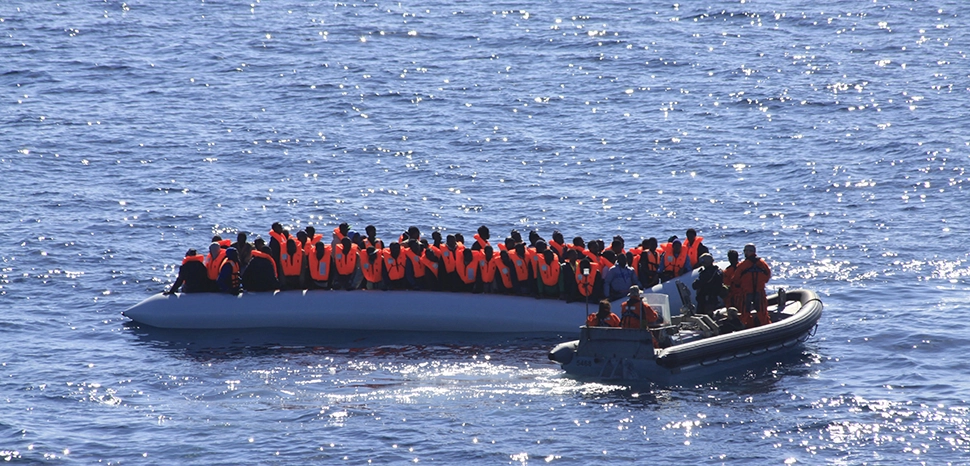
The question that every European policymaker should be considering: How do you solve a problem like Eritrea?