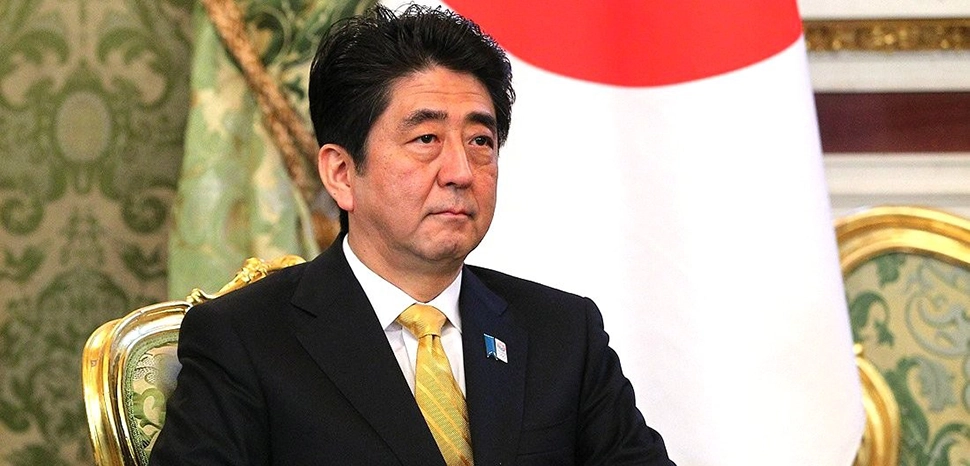
Prime Minister Abe seems to have received some good news last week: Japan’s economy has finally emerged from the sales-tax induced recession of last year. But if one peeks behind the headline, the news doesn’t seem so cheery.
Japan’s GDP grew at an annualized rate of 2.2% in the final quarter, much better than the tepid 0.6% rate of the previous quarter, but also much worse than the 3.6% expansion forecast by many economists. Most of the blame for falling short can be pinned on anemic domestic consumption, which has been hampered by a sales tax increase and a near total lack of wage growth.
Prime Minister Abe has been trying to boost wages by having his party and cabinet lobby some of the largest corporations in Japan to increase their payrolls during annual shuntu labor negotiations. From the perspective of the Japanese government, wage hikes are needed not just to stimulate the economy, but also to allow consumers to keep pace with inflation resulting from Abe’s qualitative easing – which itself is struggling to hit its targets due to the deflationary impact of low oil prices.
According to a recent Reuters poll, 42 percent of Japanese firms plan on raising their wages in the coming year, while 44 percent remain undecided.