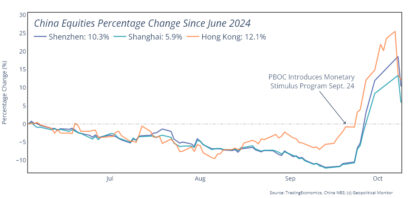
The Shanghai Composite Index has been shedding value since mid-June, when it reached its 2015 high of 5,166 points. Since then the index has dropped to just 3,582 as of July 8 – a drop of over 30%. Hong Kong’s Hang Seng Index fell victim to bullish sentiment later, but it too has now entered a freefall, losing around 9% since last Thursday.
These drops are occurring just as Beijing makes moves to shore up market confidence (which China’s securities regulator warned is ridden with ‘panic sentiment’). The government took the unprecedented step of calling in representatives from 21 of China’s largest brokerages over the weekend and getting them to pledge 15% of their net assets, or around $26 billion, to buy stocks thus pumping liquidity into the market (this is but a drop in the bucket given the $3 trillion in value lost since June). They also pledged to hold off on selling their own holdings until the Shanghai Composite stabilizes at around 4,500.
These government moves over the weekend followed an early attempt to stem the bleed after the Shanghai Composite dropped 7.4% on June 26. The next day the PBOC cut its interest rate and slashed the reserve requirement ratio for Chinese banks.
As of July 8, the stocks for 1,200 Shanghai-listed companies have halted trading, representing over 40% of all listed stocks. There are legitimate reasons for submitting a voluntary request to halt trading, such as asset restructuring and major project announcements, but it is believed that many of these companies have simply opted for a halt in order to avoid the carnage.
What Caused the Crash?
There is no shortage of theories attempting to explain the recent plunge of Chinese equities, ranging from the ongoing Greek imbroglio to whether or not the head of the China Securities Regulatory Commission has an inauspicious name.
The most likely explanation however is not some global shock, but the slow unravelling of bad debt and political hubris.