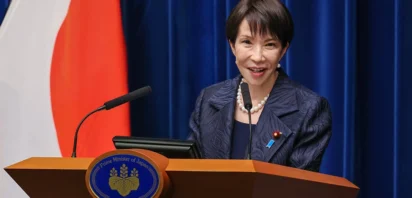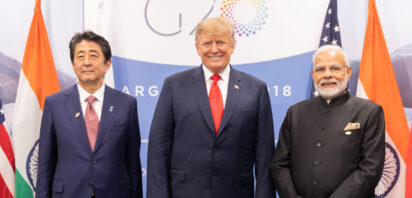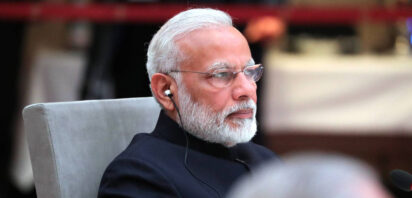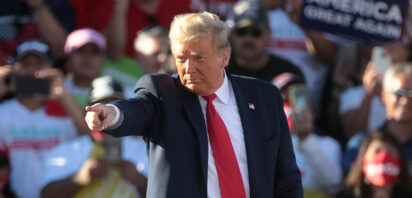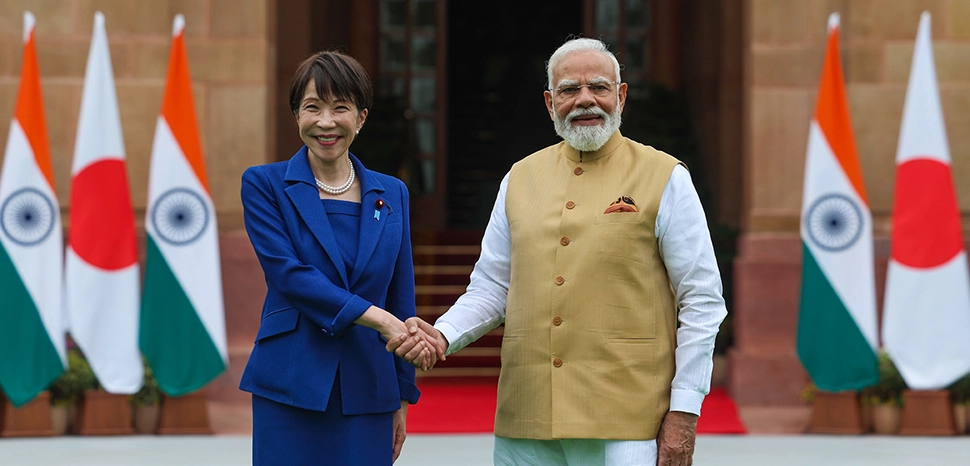
Japanese Prime Minister Sanae Takaichi’s visit to India can be seen as a shift from diplomatic optics to tangible security building, but it also signifies something else. They’ve moved markedly closer together, but also slightly farther away from Trump and the United States. Takaichi arrived in New Delhi with a narrow list of things to do: tap India as a key partner in Japan’s economic security strategy as supply chains fragment and US commitment looks shaky. Second, she moved on a declaration of economic security, a joint statement on energy resilience, anchored in projects on critical minerals, semiconductors, upstream oil and gas, and green fuels such as large-scale green ammonia production in India. Seen in light of the 2025 Japan-India Joint Vision for the Next Decade, it also hedges against China-centered supply chains.
One of the most important takeaways can be seen in industry, as semiconductors and critical minerals are now drivers of joint projects. Japan is moving aggressively away from overdependence on China, while Modi wants to position India as a democratic, large-market alternative manufacturing base to the United States and elsewhere. The signing of nearly 120 private MoUs, signals that both sides now see this as an economic necessity. The only question remains is how both can cooperate on the trickiest aspects, such as AI governance, particularly as Japan needs partners aside from Washington and Brussels.
Defense and security also matter. While the visit was meant to show that India is “indispensable” to Japan’s Free and Open Indo-Pacific (FOIP), precisely when Trump has signaled that he has some distaste for both, including the Quad. This can be seen in Takaichi’s revised FOIP, with economics as a driver, but also where maritime security, connectivity, and an “industrial value chain” link the Bay of Bengal to India’s northeast. This means that security cooperation moves from naval cooperation to a hybrid strategy that can compete with China’s BRI in the Indian Ocean. Yet further, US signals about Quad uncertainty drive this alignment–and both of them further apart from their US partners.
Energy was also a top development. With Trump scrambling to contain his own damage caused by the interruption of oil supply from the Strait of Hormuz, energy resilience became a major issue, as it was with other ASEAN partners. As West Asia now keenly aware of maritime chokepoints, Japan’s POWERR Asia (Partnership on Wide Energy and Resources Resilience Asia) initiative and India’s interest in biogas show that Japan looks to India not just as a spot for additional consumers, but as a base for energy diversification. Modi gets Japanese technology through renewable energy, while moving farther away from dependence on Western-supplied energy.
The real test of their movement away from the unpredictable nature of their US partner in Trump is how this new Japan–India-led framework of decarbonization and diversification can offer something more tangible, something far more credible than Chinese state-led capital infrastructure financing that dominates Southeast Asia and part of the Indo-Pacific. Can it be something beyond mere rhetoric or something of a stop-gap measure for other partners? That’s where optics no longer matter and where these new MoUs and the flurry of private sector deals matter. China is paying attention, and put export controls on 20 Japanese companies, adding to a growing blacklist in a dispute with Tokyo.
Politically, the optics of calling Takaichi Modi’s “younger sister” helps humanize both and helps sell the new partnerships–but again–China and the United States are watching. Takaichi’s visit to India could normalize the idea of Indo-Japanese cooperation as a key pillar of the region’s economic and security order, not just a small supplement to overwhelming US supremacy. That only happens if they can quickly work to translate optics into real outcomes, such as moving quickly on AI governance, energy resilience, and get tangible results from existing projects in India’s northeast, emerging semiconductor hubs, and critical ports, before another crisis hits a vital waterway or a major supply chain disruption can delay progress. That should add fuel to accelerate their calculated hedge against Trump’s America.
The views and opinions expressed in this article are those of the author alone and do not represent those of Geopoliticalmonitor.com