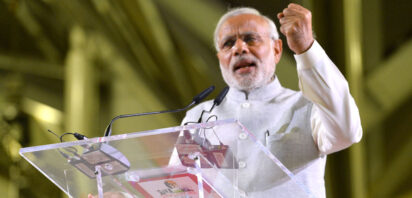
During a public event in Hyderabad on May 10, Indian Prime Minister Narendra Modi asked his countrymen to do something a leader in few other countries would attempt: stop buying gold. “For a year, be it any function, we shouldn’t buy gold jewelry,” he said, framing the request as a civic duty to conserve India’s foreign exchange.
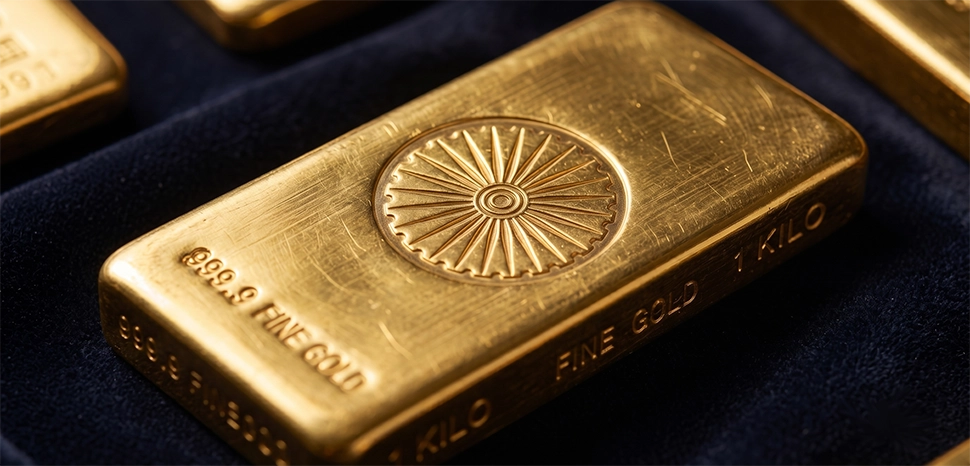
Three days later the government followed words with policy, raising the effective import duty on gold and silver from 6 percent to 15 percent, the steepest single increase on record.
The measures marked a sharp reversal. Less than two years earlier, New Delhi had cut the same duty to 6 percent from 15 percent. The trigger for the about-face was external: a war involving the United States, Israel, and Iran, a disrupted Strait of Hormuz, and a surge in energy prices that put India’s external accounts under significant strain.
India’s Enduring Appetite for Gold
Gold has occupied a central position in Indian household finance since before independence and has proven resistant to repeated state efforts to limit its accumulation. At independence in 1947, gold already functioned as the savings instrument of choice for a largely rural population with limited access to banking and a long experience of currency instability. It served as protection against inflation, agricultural shocks, and weak financial institutions, and it remained integral to weddings, festivals, and inheritance.