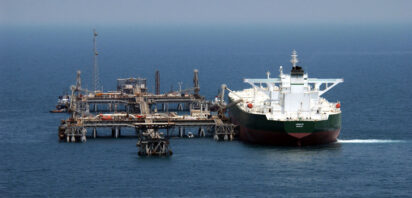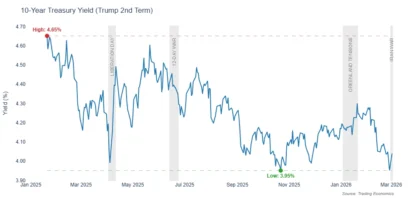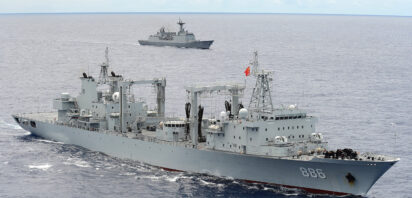
The closure of the Strait of Hormuz, long invoked by geopolitical analysts as the most consequential supply disruption scenario in global energy markets, has moved from contingency planning into operational reality. Seven days into the coordinated US-Israeli military campaign against Iran, the waterway that handles approximately 20 percent of the world’s oil and 20 percent of global LNG flows daily remains functionally impassable. Brent crude was hovering around $103 per barrel on March 9, while WTI recorded a 35 percent weekly advance, the largest in the history of the futures contracts dating to 1983. Against this backdrop, the disruption is simultaneously reshaping pricing across precious metals, defense-critical base metals, and digital assets.
The Conflict Architecture and the Shipping Response
Operation Epic Fury continues with no signs of de-escalation, and the scale of the campaign is widening across multiple fronts. The opening phase delivered approximately 2,000 strikes across 20 Iranian cities, killing Supreme Leader Ali Khamenei, Defense Minister Aziz Nasirzadeh, and several senior Revolutionary Guard commanders, at a cost that CSIS estimates at $3.7 billion for the first 100 hours. The Pentagon has since escalated its targeting methodology as B-2 bombers dropped dozens of 2,000-pound penetrator bombs on buried ballistic missile launchers, contributing to a 90 percent reduction in Iranian missile output.
Iran’s retaliation under Operation True Promise IV has been broad, with Tehran firing over 500 missiles and nearly 2,000 drones since February 28, striking US installations across six Gulf states and hitting Qatar’s Ras Laffan LNG complex and Saudi Arabia’s Ras Tanura refinery.
The conflict’s geographic scope has expanded considerably. An Iranian ballistic missile entered Turkish airspace before NATO intercepted it, prompting Article 4 discussions, while a US submarine sank the IRIS Dena south of Sri Lanka as the vessel was set to return from drills with the Indian Navy. Kurdish-Iranian armed groups have mulled a potential ground offensive in northwest Iran, and Russia has reportedly been providing Iran intelligence on US warship locations. The diplomatic trajectory has hardened accordingly as Trump demanded unconditional surrender on March 6, and the Senate war powers vote failed the previous day in an attempt to restrain Trump.
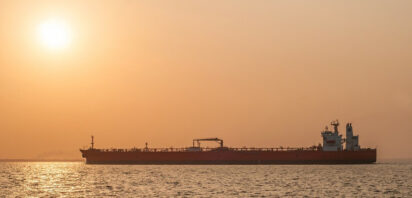
This escalatory trajectory has produced a shipping environment that is effectively paralyzed. All major container lines have suspended transits, and Protection and Indemnity insurers cancelled war risk coverage almost immediately. An estimated 3,000 vessels are stranded in the Persian Gulf, and tanker traffic through the strait remains at a standstill.