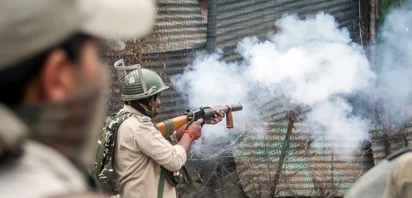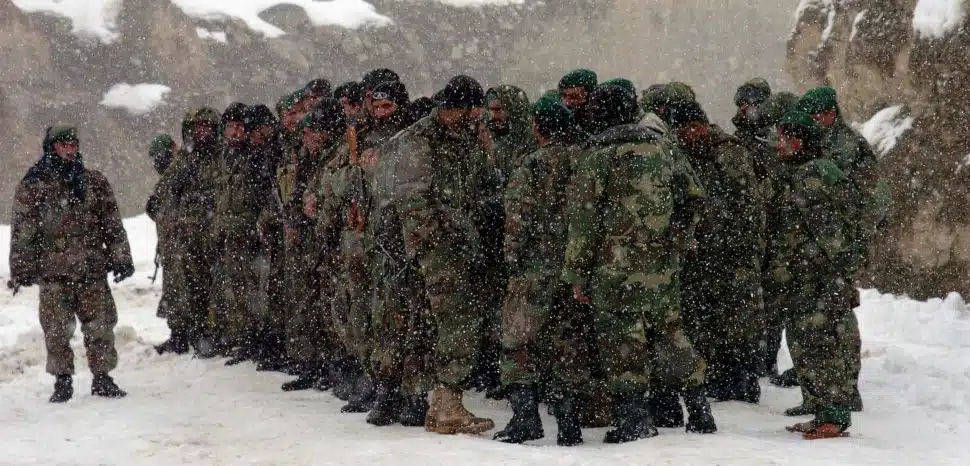
This article assesses the evolving security crisis between India and Pakistan following the April 22 militant attack in Indian-administered Kashmir. It explores the core strategic imperatives and geographic constraints shaping the behavior of both nuclear-armed states. Drawing on historical precedents and contemporary strategic dynamics, the article addresses key issues related to deterrence, escalation, geography, and the influence of external powers. The objective is to provide an impartial assessment of the potential for limited military action, escalation management, and strategic signaling in the context of recurring conflict between India and Pakistan.
Strategic Retaliation and the Pursuit of Deterrence
India’s anticipated limited military retaliation should be understood as a strategic effort to deter future militant attacks without provoking full-scale war. The April 22 incident, which resulted in high civilian casualties, has intensified political pressure on New Delhi to demonstrate resolve. The Indian government has publicly blamed Pakistan-based actors, particularly the Lashkar-e-Taiba and its alleged proxy, The Resistance Front. Although the attribution remains contested, it has reinforced India’s rationale for a kinetic response. Such military action, whether through airstrikes or cross-border operations, is intended to impose costs on hostile infrastructure or safe havens and to restore deterrence.