- The Northern Sea Route illustrates how emerging trade and mining opportunities are driving renewed interest in Arctic geopolitics.
- Though 2024 trade volumes fell well short of Moscow’s expectation, longer-term the route may change the way Russia trades with Asia.
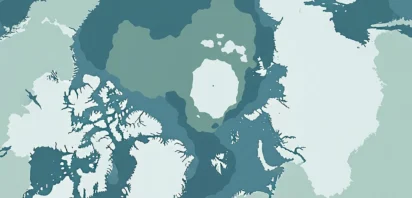
The Northern Sea Route (NSR) is rapidly emerging as a pivotal trade corridor, viewed as an alternative to the overcrowded Suez Canal and the Malacca Strait. As Arctic ice continues to recede due to explorative activities and climate change, Moscow is actively lobbying for the NSR as a shorter and cost-effective link for Eurasia, piquing interest from China and India. The shift is being watched closely by Washington, which has frequently raised concerns about Russia’s growing control and ambitions for influence over Arctic trade, albeit without much actionable change to its own efforts to clip Russia’s first-mover advantage in the area.
Now, amid the return of US President Donald Trump and mounting geopolitical tensions over the Arctic, the Northern Sea Route is emerging as one of the most controversial, impactful, and increasingly viable trade projects in the 21st century.
Historical Context and Potential of the Northern Sea Route
The dream of the NSR dates back to Soviet-era Arctic exploration. But it was only recently, amid the international isolation of the Ukraine war, that Moscow began to look eastward for new trade partners. In this, Russia’s hopes were pinned on the NSR’s appeal to other major powers, China and India in particular. China, under its Polar Silk Road initiative, has invested in Arctic infrastructure and shipping, while India has signed agreements with Russia to facilitate energy trade and polar navigation training.
Yet Moscow’s vision for the NSR has so far failed to live up to the hype. The route failed to even come close to its 2024 shipping volume target of 80 million tons, instead logging just 37.9 million tons over the course of the year.
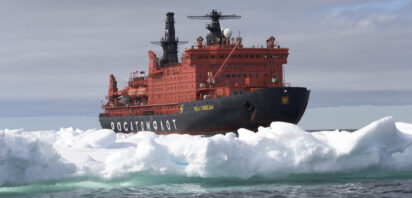
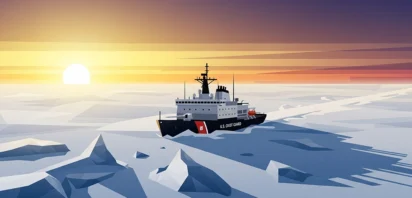
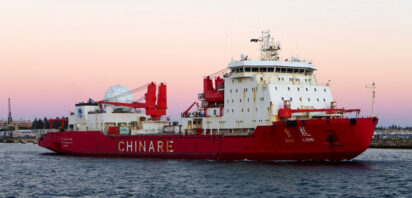
This is in part due to the daunting terrain along the route. The ability to sustain year-round shipping in the Arctic requires a fleet of powerful icebreakers, specialized port infrastructure, and an extensive network of maritime logistics. Russia remains the dominant player in Arctic icebreaker technology, possessing over 50 icebreakers, including the world’s sole nuclear-powered fleet. These vessels allow Russia to maintain control over NSR transit, enabling navigation even during the harshest winter months.