- Islamabad protest a manifestation of military-PTI power struggle that defies any easy resolution and will likely fuel further unrest.
- Unrest threatens a delicate recovery in the Pakistan economy following the upheavals of 2022-23.
- Geopolitics a possible factor since removal of anti-US Khan paved the way for thaw in US-Pakistan relations.
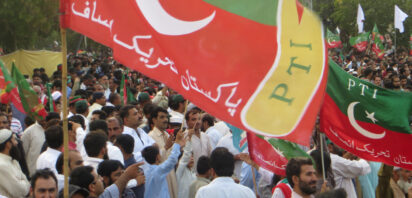
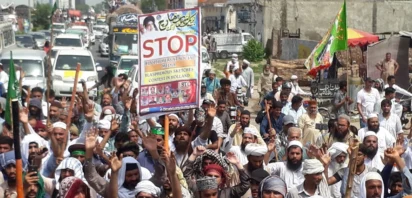
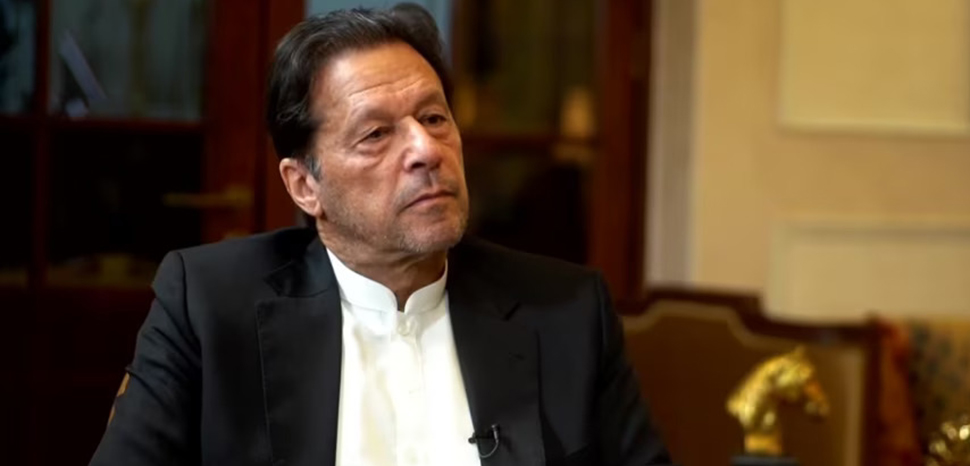
Pakistan remains on edge following the occupation and chaotic dispersal of Pakistan-e-Insaf (PTI) supporters in the capital on November 26. The sit-in was in support of jailed leader Imran Khan and drew an estimated 50,000 protestors. Such demonstrations have become common in Pakistan since Imran Khan was ousted as prime minister by a parliamentary no confidence motion in 2022, and then arrested in May 2023 on corruption charges. Yet the late November protest stands out in its size; its ambition in successfully occupying the ‘red zone’ at the heart of Pakistani governance; its ferocity in the six deaths and 1000s of arrests it generated, complete with a crackdown in the dead of night to disperse the protestors; and finally its resounding social impact in the internet shutdowns and full, multi-day lockdown of the capital. And while the PTI leaders have temporarily called off the protest and retreated from Islamabad, the underlying polarization of Pakistani politics and enduring popularity of Khan point to more instability to come.
Khan’s Falling Out with the Pakistan Military
It has long been an open secret that the military and intelligence services play kingmaker in Pakistan’s politics, typically behind-the-scenes but at times in a more hands-on capacity, as evidenced by prevalence of military coups in the country’s post-independence history. It’s also not uncommon for former prime ministers to be imprisoned or charged with crimes upon leaving office, such as Nawaz Sharif or Yousuf Raza Gilani. In this sense, top-level politics is a ‘game of thrones’ that hinges more on interpersonal power networks than rule of law.