Kenya, once a rising star on the fast-track to becoming a first-world country, has been spiraling out of control this past year, weathering a series of violent protests, political purges, and even suspected assassinations.
Public Anger Boils Over in July
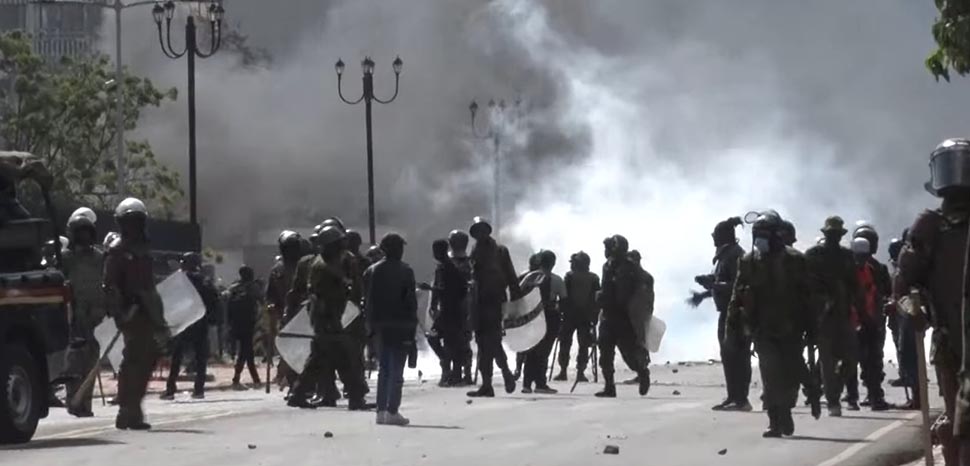
On July 11, President William Ruto dismissed almost his entire cabinet, including all ministers and the attorney general. Days later, Inspector-General of Police Japhet Koome resigned amid criticism for his handling of protests a month earlier. In June, peaceful protests against a proposed tax increase turned violent when citizens stormed and set fire to the parliament. The police responded by firing into the crowd, killing 39 protesters. The protests, overwhelmingly organized and fueled by young people via social media, were sparked by a finance bill aiming to increase taxes to manage the country’s debts. The bill stirred widespread outrage because these new taxes would significantly raise the prices of everyday necessities which most Kenyans struggle to afford.
Corruption is another recurring theme in the protestors’ criticism of the president and high-ranking government officials. The accusation is supported by the data: Transparency International ranks Kenya as the 126th least corrupt country out of 180. In the words of the United States Institute of Peace, “Corruption is pervasive at almost every level of [Kenyan] society, from police officers on the street to public procurement practices in government ministries.” Throughout the construction of Kenya’s $4.7 billion Standard Guage Railroad there were multiple reports of bribery, nepotism, and extortion. The railroad is now complete; however, its immediate economic benefit remains dubious. The Atlantic Council questions whether it has produced any economic returns at all, while others call it a ‘railway to nowhere.’ Less ambiguous is the fact that Kenya will need to pay China back for this and other development projects (Kenya owed around $6.3 billion to China as of March 2023). This combination of pervasive institutional corruption and opaque financing inflows is a dangerous one so far as economic growth is concerned. Indeed, it has served to throttle the economic benefit of many infrastructure projects financed and built by China. In Kenya’s case, while the president continues to stress the significant benefits, there are persistent concerns that these projects serve as a way for officials to siphon large sums of money, leaving citizens with unnecessary, unfinished, or unserviceable infrastructure and looming debt.
Corruption, combined with widespread unemployment, has resulted in the average Kenyan earning just over $2,000 USD per year, with about 33% of the population living below the poverty line. The July protests were successful and the tax bill was eventually shelved – but Kenya’s fiscal woes will persist.