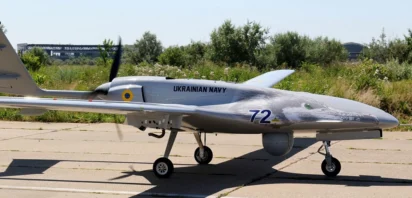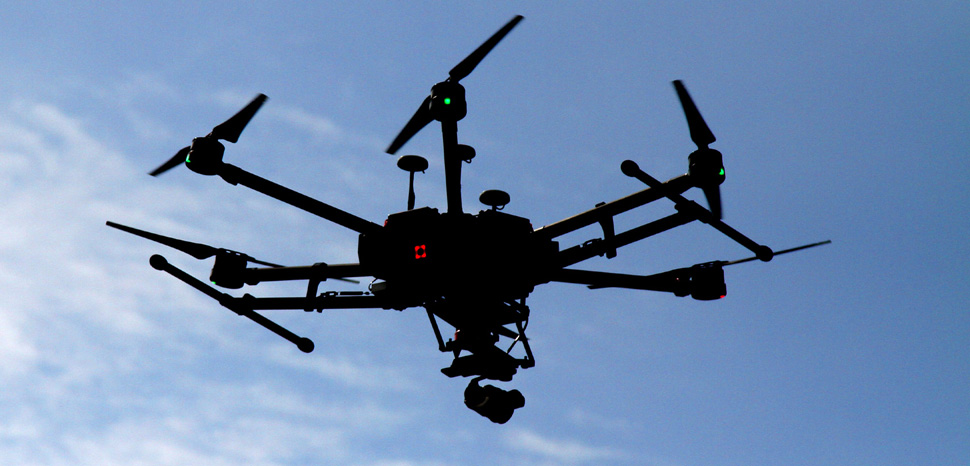
Following the surge in drone use by suspected militants in Indian-Administered Kashmir, Indian security forces remain on high alert for what has become a potent threat in conflicts across South Asia. Two IED-laden drones detonated over an Indian air base, injuring Air Force personnel in the process. A mere 24 hours passed before drones were once again spotted over another military base, before fleeing under fire. The incidents sparked enough concern to warrant the imposition of UAV bans across various Kashmiri cities. Though such situations have become normalized in modern conflict, drone use within India’s borders represents a significant shift in stratagem by separatists and their alleged state sponsors.
In recent years, drones have become a familiar sight in Northwest India, particularly in the historically restive areas of Punjab and Kashmir. However, usage has been largely limited to logistical objectives in the transport of arms caches and narcotics from Pakistan, with which both provinces share a border. Kashmir’s level of snowfall renders most of its trafficking routes impermeable during certain months of the year, making Punjab the most viable alternative for supplying Kashmiri groups with weapons and drugs. For decades, separatists in Punjab and Kashmir have come to rely upon the lucrative opium/heroin trade as a major source of funding, with unfettered production in Afghanistan and Pakistan fueling exports and consumption in both states. Now, with India reeling from a string of social and economic crises, compounded by its ongoing fight with the delta variant of COVID-19, separatists have grown emboldened by dissipating support for Prime Minister Narendra Modi nationwide, who only two years ago achieved re-election with a sweeping mandate.
Although Punjab’s insurgency is considered to have reached its apex nearly thirty years ago, the Modi government’s imposition of unpopular agricultural reform bills has exacerbated the prime minister’s unpopularity in a state that not only is distinguished for having a Sikh majority, but that also elected the Indian National Congress (INC) party to run its state government in 2014 and 2019. As the country’s breadbasket, Punjab’s powerful farming lobby was crucial in organizing and sustaining the farmer protests across Northern India, including in Delhi. The Modi government’s steadfast refusal to scrap the reforms culminated in the exit of the Shiromani Akali Dal, Punjab’s major Sikh-centric party, from the BJP-led National Democratic Alliance last year. Accusations of a nexus between the farmer protests and Sikh separatism have made frequent appearances in Indian press among pro-Modi outlets, despite a lack of evidence tying the two movements together.
For Kashmir, the repeal of Article 370, coupled with the subsequent reorganization of its administration by the central government coincides with the greatest period of momentum for Kashmiri separatists. Regional police data compiled over the past two years points to a significant increase in recruitment for militant groups, which coincides with a sweeping crackdown imposed by local governments, including a media blackout.