Though the Two Sessions are ongoing and revelations are yet to come, including the NPC conference presided over by Premier Li Keqiang and the release of the full text of the 14th Five-Year Plan, there’s no shortage of information to be gleaned from the process thus far.
Analysis
Some key takeaways from the first half of the Two Sessions:
Hong Kong election reform to hollow the democratic process. The National People’s Congress (NPC) did not disappoint on pledges to ensure that only ‘patriots’ would be allowed to run Hong Kong. The rubber-stamp body is expected to pass laws that impose the executive standard of leadership-selection – that of candidate-vetting by a small, pro-Beijing council before polls are held – to the legislative branch. The reform is antithetical to the changes sought by the pro-democracy movement, and if implemented (as expected) it would essentially hollow out the territory’s democratic process, reducing it to political theatre.
Needless to say, Hong Kong politics are heading into an entirely new era.
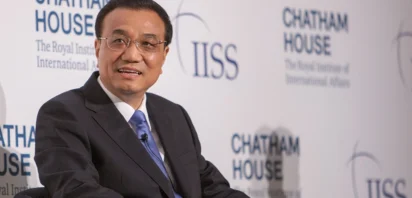
Letting go is hard to do: Yearly GDP target returns following a year-long absence. In the end it seems the inverse to the speculation is true: the annual target stays (6% GDP growth, announced by Li Keqiang at the opening of the NPC session), and the five-year plan target goes. The 6% target is very conservative given the high likelihood of a bounce-back from COVID-19 (though the PRC recovery is far more advanced than elsewhere in the world). The IMF, for example, is projecting a growth rate of 7.9% for China in 2021.
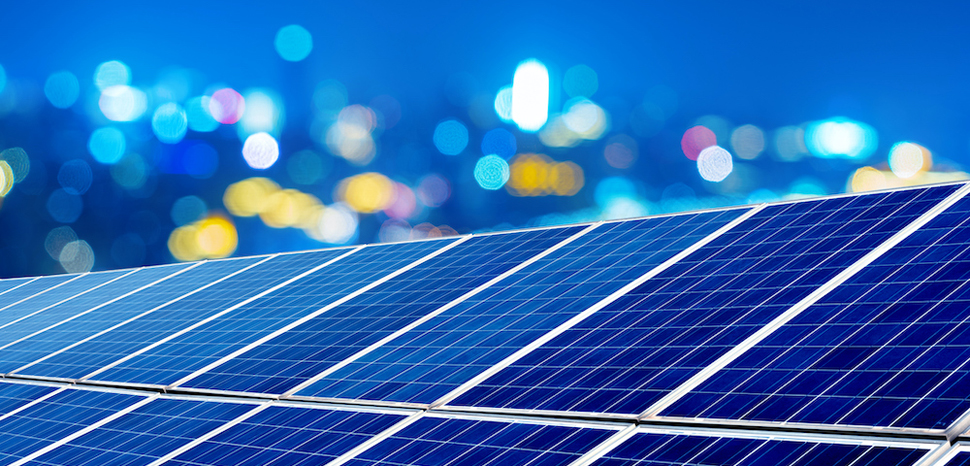
China’s green revolution wobbles. An interesting trend to emerge from the draft five-year plan is that it dials down the intensity of the country’s state-guided transition to a greener economy, much to the surprise of those investors who had been banking on Xi Jinping’s recent pledge of net-zero emissions by 2060. Notably, there remains no hard cap on total emissions, nor is there any hint of a freeze on new coal projects. Coal accounted for 56.8% of China’s energy consumption last year, and 38.4 gigawatts of new capacity came online in 2020 – over three times the worldwide total over the same period. Another 73 gigawatts of new coal projects were initiated over the same period.