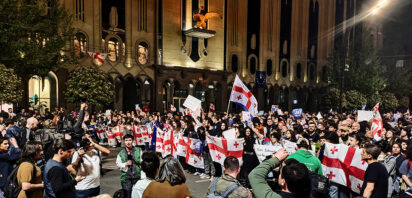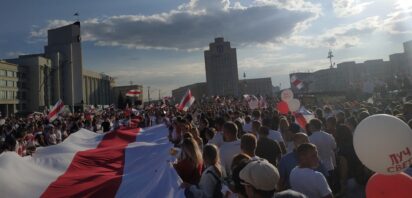
Protests broke out in Russia on January 23 following opposition leader Alexei Navalny’s dramatic return to the country after a long recuperation from Novichok poisoning. On that day, some 40,000 people turned out in Moscow alone according to Reuters estimates, and smaller rallies were held throughout the country.
The initial response from the Russian authorities was forceful, with over 3,000 detentions on January 23. Since then, a full court press has been deployed to depress turnout, including targeted lockdowns, a coordinated propaganda push, turning the screws on social media platforms, journalist intimidation, and dusting off draconian anti-protest laws that punish peaceful assembly with prison terms.
Despite the timing, however, the protests are about much more than Navalny, who is not exactly universally embraced in Russia (his approval ratings were hovering at 20% according to polls conducted by the Levada Center after his poisoning last year).
Here are the factors fueling the protests:
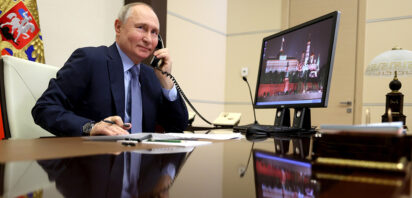
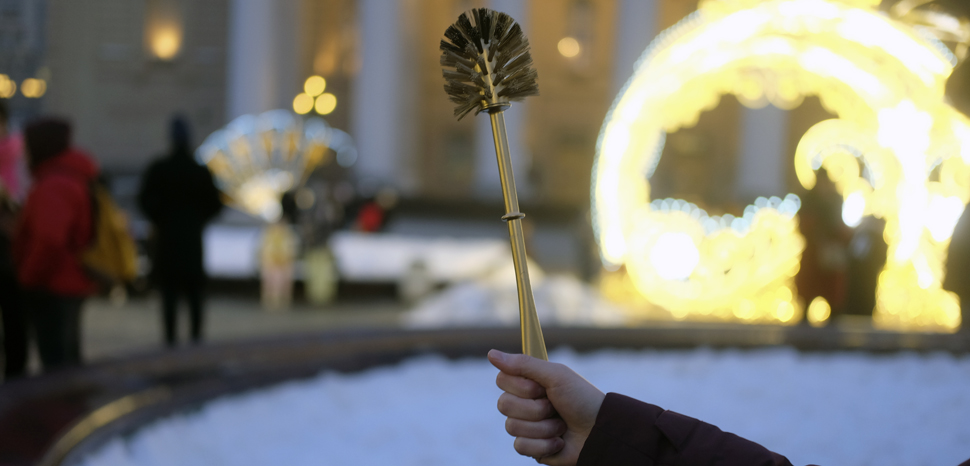
- Vladimir Putin’s ‘secret palace.’ On January 19, Alexei Navalny’s camp posted a YouTube video purporting to reveal Vladimir Putin’s $1.4 billion Black Sea palace. The slickly-produced clip (which can be viewed here) takes viewers through extensive drone footage of the grounds, detailing the complex’s layout and furnishings. It is narrated by Navalny himself, and has over 110 million views in under three weeks. The content is designed to provoke outrage among the public and chip away at the president’s carefully curated ‘frontier everyman’ image, instead portraying Putin as a despot in the same vein as the Bourbon kings, one whose loo is cleaned using an $850 Italian toilet brush. Putin has consistently denied any connection to the palace, and Russian businessman Arkady Rotenberg – Putin’s former judo sparring partner – has since stepped forward and claimed ownership.