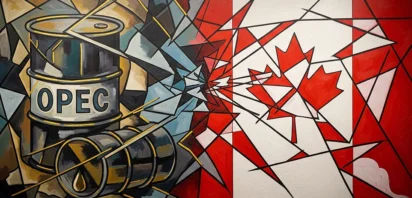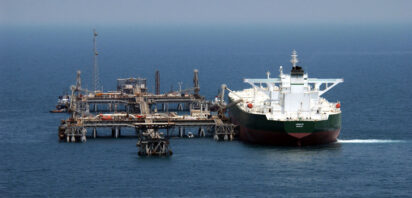
Oil prices shed an eye-watering 30% through to Monday, reaching per-barrel pricing levels that imperil corporate and sovereign balance sheets the world over. Yet nowhere is the immediate danger more pronounced than in a US shale industry that was already undergoing a wave of bankruptcies and restructuring. Two factors are fueling the rout: 1) demand-side pressures of a seemingly inevitable COVID-triggered recession; and 2) the prospect of a supply-side glut following a breakdown in talks concerning an OPEC+ supply cut.
Now we’re in a race-for-the-bottom as low-cost producers prepare to inundate markets in the hope of securing market share for better days ahead. But this is one race that US energy players are not going to win.
Analysis
Two factors handicap US oil producers in the low-price environment that is now coalescing.
First is their extraction costs vis-à-vis lower cost producers. US shale producers require a per-barrel price of $40 to $90 to break even, depending on a variety of factors ranging from geology to the time when the well was drilled (technology) to the lending environment. According to the Federal Reserve Bank of Dallas, the average US breakeven price was $50 per barrel in May 2019. By contrast, low-cost conventional suppliers such as Saudi Arabia and Kuwait can produce a barrel of oil for under $10, making them far more profitable in relative terms.
Russian production falls somewhere in between the two extremes. Though the Russian industry will not be immune from the price fallout resulting from the OPEC+ deal’s collapse and the ensuing knife fight for market share, the Putin administration has reportedly jumped at the opportunity to inflict damage on US shale producers and the wider US economy.
That such economic damage is able to be inflicted hints at the second factor handicapping US energy producers in a low-cost environment: their unsustainable debt burdens.
According to the Financial Times, some $86 billion in debt is coming due for US shale producers through to 2024, of which approximately 60% is speculative grade. The peak will come in 2022, when the ratio of speculative grade to investment grade maturities will be a daunting 2:1.
The debt problem pre-dated the COVID-19 outbreak. For example, one Mercer Capital index of public Appalachian gas producers shed 50% of its stock value over the past year, led by Antero Resources Corp. and Gulfport Energy Corp. which lost 71% and 54% of their stock value respectively. Predictably, both stocks are down even further in the post-COVID environment. These and other Appalachian-based producers (Marcellus, Utica fields) have borrowed heavily to expand production over the past few years; however, the cheap cash well dried up through 2018-2019, causing many companies to slash their capital expenditure budgets and forego discovering/expanding new extraction sites – again, it should be emphasized that this was occurring well before COVID-19 arrived.