Everything seemed to be going smoothly for Gazprom and its 9.5 billion euro Nord Stream 2 pipeline. Germany had signed on in support, as had European energy majors like Shell, OMV, Engie, and Uniper and Wintershall despite a torrent of criticism from US President Donald Trump and leaders in the Baltics and Poland. The original plan was to have gas pumping by Christmas of this year, which happens to be when the government of Ukraine is due to renegotiate its transit deal with Russia.
But then the Danish regulators got involved.
Analysis
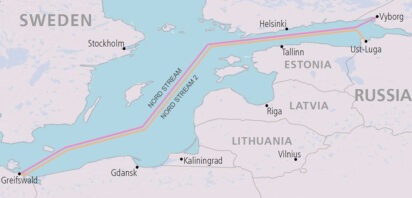
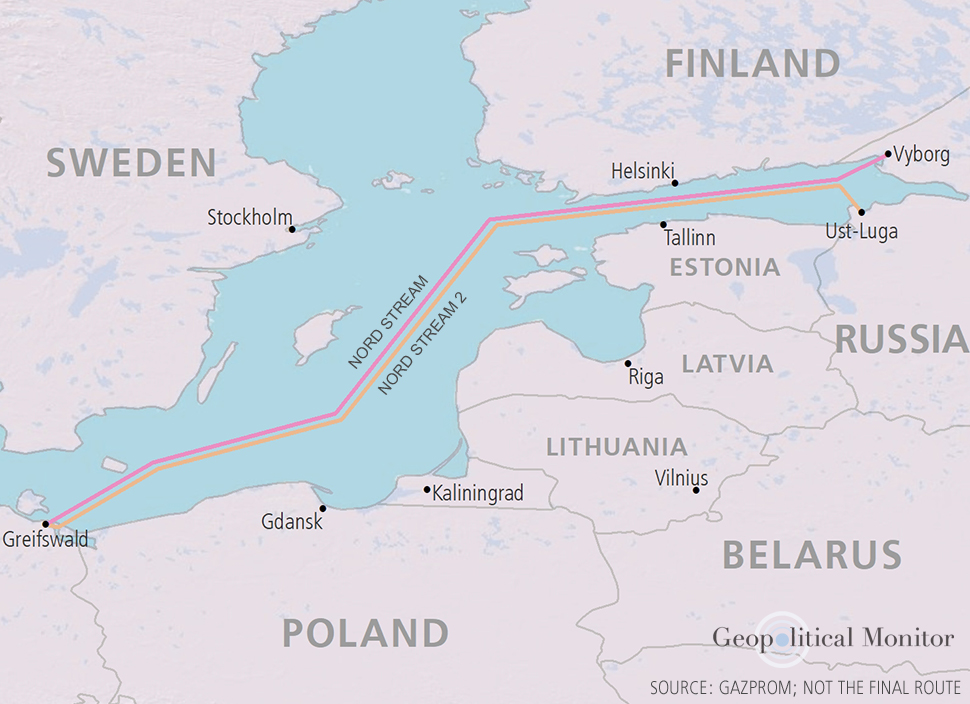
The Nord Stream 2 route skirts the Danish island of Bornholm in the Baltic Sea, making Copenhagen’s approval crucial in any expansion of the pipeline. The initial proposed route took the pipeline so close to Bornholm so as to be considered Denmark’s territorial waters; this was nixed after a new law allowed construction to be banned by the foreign minister on national security grounds. Then a new route was proposed in August 2018 that would take the pipeline north of Bornholm and far enough way to fall within Denmark’s EEZ (and thus outside the purview of an executive veto). This route was criticized on environmental grounds, and a new southern course was proposed in April.
Danish regulators are currently assessing both of these routes. And they’re going about it at a leisurely pace – so much so that Gazprom and its Kremlin backers are starting to worry that the pipeline won’t be up and running by the time Russia’s transit agreement with Ukraine expires on December 31. One Nord Stream 2 official told the Financial Times that approval has now come down to the wire, and if it doesn’t happen in the next few weeks, the pipeline won’t be operational at the start of the winter high season. Once approved, the Danish leg would take five weeks to build.