In the end it was the Ethiopia-brokered proposal that carried the day, albeit in slightly modified form. The power-sharing deal, which has now been agreed to by both sides, calls for the establishment of a sovereign council to rule for three years before full elections can be held. The council will function as the executive branch over this span, and it will have five civilian representatives, five military representatives, and one ‘consensus pick’ as a tie-breaker. The council’s presidency will be held by a military representative for the first 21 months, followed by a civilian representative for the last 18 months.
After an extended period of highly conspicuous silence, the United States has jumped into the ring and thrown its approval behind the deal.
The deal is the definition of consensus in that neither side got everything it wanted. However, given the protestors relatively strong position of late, the deal may come back to haunt the country’s civilian leaders – because a lot can go wrong in three years.
Impact
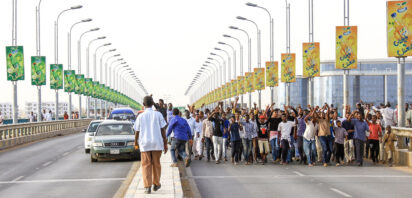
Despite a country-wide internet blackout, threats of mortal and sexual violence, and a dearth of international allies, Sudan’s civilian leaders were able to keep churning out protests and maintain pressure on the transitional military council. By all accounts the civilians had the upper hand; it was the old guard that was on the back foot.
Yet this deal essentially agrees to freeze a situation that is not entirely favorable to Sudan’s civilian leaders.
Why?
It partially has to do with exhaustion: the protests had been raging in some form since December and many participants are in economic dire straits. The United States’ official endorsement of the deal also made it difficult for civilians to keep fighting in the face of a compromise offer. After all, here was Washington finally getting involved in a meaningful way after remaining on the sidelines for the movement’s formative stages. (Though here it should also be noted that the civilian leadership broadly supported the Ethiopian proposal back when it was first floated several weeks ago, before the US made its approval public).